Introduction
Software quality issues are like hidden cracks in a foundation – if left unchecked, they grow into structural failures that cost businesses time, money, and credibility. That’s why we hosted a webinar on Mastering Software Quality Management: A Proactive Health Check Approach.
In this webinar, we explored how businesses can detect inefficiencies, reduce technical debt, and implement proactive quality management techniques to ensure long-term product success.
If you missed the live session, don’t worry – this article is a detailed recap of the webinar’s key takeaways.

Introduction to Proactive Software Quality Management
Software development moves fast, and without a structured approach to quality management, projects can quickly spiral into inefficiencies, delays, and mounting technical debt. A reactive approach—fixing problems only when they surface—is costly and risky. Instead, a proactive health check approach ensures that software quality is monitored, maintained, and continuously improved throughout the development lifecycle.
At Ralabs, we’ve refined a Software Quality Management (SQM) framework that helps teams gain visibility into project health, identify weak points early, and take corrective action before issues become critical. This method provides clarity across engineering, UI/UX, security, infrastructure, and project management—ensuring that software is built to last.
The core concepts of SQM are:
- Common product development challenges that impact software quality
- The role of audits and health checks in preventing technical debt
- How SQM improves transparency and decision-making for businesses
The solution? Regular health checks and structured quality management. Audits, automated testing, and continuous feedback loops help teams stay ahead of problems rather than react to them.
The Role of Audits and Health Checks in Software Quality
A one-time code review won’t prevent long-term software issues. Ongoing audits and structured health checks are essential for maintaining quality and ensuring that development stays on track
Two key use cases for software audits are:
- Strategic evaluations – Companies use audits before making major decisions, such as investing in a new product or partnering with a development vendor.
- Continuous monitoring – Regular health checks provide ongoing insights into code quality, security, performance, and team efficiency.
At Ralabs, we’ve built an internal SQM Diagnostic Dashboard that evaluates projects across multiple dimensions—engineering, architecture, UX, databases, and deployment practices. By leveraging structured audits, teams can:
- Identify weak spots early before they turn into costly failures
- Ensure consistent engineering standards across teams
- Improve planning and decision-making with real data
Audits empower teams with visibility and actionable insights. The next step is knowing how to apply these findings through proactive software quality management.
Uncover Hidden Risks in Your Software Before They Escalate
Gain instant insights into your software’s health with our SQM Diagnostic Dashboard. Detect weak points, reduce technical debt, and ensure long-term stability.

CTO at Ralabs
Proactive vs. Reactive Software Quality Management
When it comes to software quality, there are two approaches: proactive prevention and reactive fixes. The difference? Cost, risk, and long-term impact.
Proactive Approach: Preventing Issues Before They Happen
A proactive strategy focuses on early detection and prevention of inefficiencies, technical debt, and maintainability issues. This includes:
- Regular code reviews to ensure quality and adherence to best practices
- Automated testing to catch bugs before they reach production
- Continuous integration (CI/CD) to streamline deployment and reduce errors
- Technical debt management to prevent long-term instability
Investing in prevention may take effort upfront, but it saves time and money by reducing the need for costly fixes later.
Reactive Approach: Fixing Problems After They Escalate
A reactive strategy means addressing issues only after they’ve caused delays, failures, or security risks. This often involves:
- Incident response when software breaks unexpectedly
- Emergency fixes and hot patches to resolve immediate problems
- Refactoring to clean up poorly written or outdated code
- Crisis management when technical debt becomes unmanageable
While reactionary measures are sometimes necessary, relying on them leads to a snowball effect of unresolved issues — slowing development, increasing costs, and frustrating teams.
Takeaway from the webinar: Prevention is always cheaper than fixing. Think of it like dental care — it’s easier to treat a small cavity than to wait until you need a root canal.
Ralabs’ Software Quality Management (SQM) Framework
A structured Software Quality Management (SQM) framework is the key to maintaining software health at every stage of development. At Ralabs, we’ve refined a multi-layered approach that provides clarity, control, and continuous improvement across engineering, management, and team collaboration.
The Three-Layer SQM Model
1. Leadership & Top Management
- Defines quality policies and standards
- Allocates resources to maintain best practices
- Ensures transparency and accountability across team
2. Middle Management
- Oversees implementation and enforcement of SQM policies
- Coordinates across development, QA, and operations teams
- Establishes structured reporting and escalation processes
3. Development Teams & Engineers
- Participate in training, code reviews, and workshops
- Provide feedback through surveys and technical assessments
- Implement best practices to maintain software quality daily
How SQM Drives Results
By applying this structured model, companies can:
✔ Detect issues early, reducing technical debt
✔ Improve collaboration between management and development teams
✔ Ensure accountability, keeping projects aligned with quality goals
✔ Create a culture of continuous improvement
SQM isn’t just a process—it’s a mindset that empowers teams to build scalable, maintainable, and high-quality software.
Key Components of Ralabs’ SQM Framework
A successful Software Quality Management (SQM) strategy requires a multi-dimensional approach. At Ralabs, we assess software health across several critical areas, ensuring that projects stay efficient, scalable, and maintainable.
The Three-Layer SQM Model
1. Engineering Best Practices
- Code reviews ensure maintainability and adherence to standards.
- Commit strategies and branching policies prevent conflicts and inefficiencies.
- Continuous Integration/Continuous Deployment (CI/CD) streamlines testing and releases.
2. UI/UX Quality
- Consistent design systems improve usability and accessibility.
- Performance optimization ensures smooth user interactions.
- User feedback loops help refine and enhance the experience.
3. Database and Infrastructure Management
- Scalability planning prevents performance bottlenecks.
- Backup and disaster recovery protocols ensure data security.
- Cloud and on-premises architecture reviews optimize efficiency.
4. Quality Assurance & Testing
- Automated testing suites catch issues before deployment.
- Manual exploratory testing finds edge-case failures.
- Load and stress testing ensures stability under high traffic.
5. Security & Compliance
- Data encryption and access controls protect sensitive information.
- Regulatory compliance checks (e.g., GDPR, HIPAA) mitigate legal risks.
- Regular penetration testing identifies vulnerabilities before attackers do.
6. Project Management & Collaboration
- Agile and Scrum methodologies keep teams aligned.
- Clear documentation and reporting improve transparency.
- Knowledge-sharing initiatives reduce dependencies on specific team members.
This holistic approach ensures that software is not just functional, but also secure, scalable, and optimized for long-term success.
The Business Benefits of Implementing SQM
1. Increased Project Transparency
- Clear visibility into code quality, infrastructure health, and team performance.
- Structured reporting helps managers and investors make informed decisions.
2. Reduced Technical Debt & Maintenance Costs
- Identifying inefficiencies early prevents expensive rework later.
- Proactive maintenance ensures long-term software stability.
3. Faster Development Cycles & Product Releases
- Automated testing and streamlined workflows eliminate bottlenecks.
- Fewer defects mean less time spent fixing bugs and more time on innovation.
4. Improved Collaboration Between Teams
- Standardized quality checks ensure alignment between developers, QA, and management.
- Knowledge-sharing prevents dependency on key individuals.
5. Higher Product Reliability & Customer Satisfaction
- Reduced failure rates lead to better user experiences and stronger customer retention.
- Compliance with industry standards ensures trust and security.
SQM isn’t just about catching bugs—it’s about building better software, faster, and with fewer risks.
SQM in Action: Real-World Success Stories
Case Study: Scaling a Therapy Platform from 100 to 10,000 Providers
A growing mental health platform approached Ralabs with a scalability challenge. They needed to expand from 100 to 10,000 psychotherapists while ensuring performance, compliance, and maintainability.
Challenges:
- Scaling the infrastructure to support rapid user growth
- Scaling the infrastructure to support rapid user growth
- Scaling the infrastructure to support rapid user growth
- Scaling the infrastructure to support rapid user growth
SQM Implementation:
- Infrastructure audit identified bottlenecks and optimized cloud architecture
- Implemented automated testing and CI/CD pipelines for faster releases
- Conducted security audits to ensure compliance with data regulations
- Refactored codebase for better maintainability and future scalability
Results:
- 50% faster website performance and reduced downtime
- HIPAA and WCAG compliance achieved for security and accessibility
- 89% code test coverage, ensuring long-term system reliability
- Successful scale-up from 100 to 10,000 psychotherapists
Continuous Evolution of SQM at Ralabs
1. Regular Internal and External Reviews
- Quarterly audits to track improvements and prevent regressions
- Client feedback loops to align quality standards with business needs
- Benchmarking against industry best practices to stay ahead of the curve
2. Adapting to Emerging Technologies
- Integrating AI-driven code analysis for automated quality control
- Refining CI/CD pipelines to support faster, more reliable deployments
- Enhancing security protocols as compliance standards evolve
3. Creating a Culture of Continuous Improvement
- Workshops and training sessions to upskill teams on best practices
- Encouraging team ownership of quality metrics and accountability
- Tracking technical debt over time to ensure sustainable growth
SQM isn’t just about maintaining software—it’s about future-proofing it. By continuously refining our processes, we help teams deliver high-quality, scalable, and secure software at every stage of development.
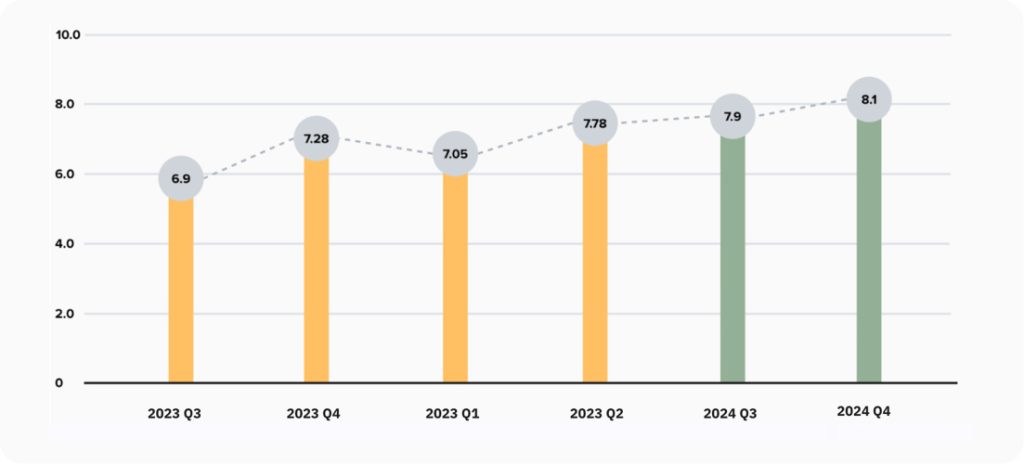
SQM isn’t just about maintaining software—it’s about future-proofing it. By continuously refining our processes, we help teams deliver high-quality, scalable, and secure software at every stage of development.
Conclusion: Why Proactive SQM Matters
Software quality isn’t just about writing clean code—it’s about building resilient, scalable, and maintainable systems. A proactive Software Quality Management (SQM) approach ensures that businesses stay ahead of risks, optimize development processes, and deliver high-quality products efficiently.
Key Takeaways from the Webinar:
- Proactive SQM reduces technical debt and long-term maintenance costs.
- Regular audits and health checks prevent costly project failures.
- A structured SQM framework improves collaboration and decision-making.
- Continuous improvement keeps software aligned with evolving business needs.
Want to learn more? Watch the full webinar recording here or reach out to Ralabs to see how we can help optimize your software quality management process.