Introduction
A modern telemedicine platform is not a tool for connecting two screens. It is a complete digital product that supports clinicians, patients, and operations at the same time. Scheduling, documentation, real time communication, data exchange, compliance, and clinical logic all live inside the same system. To make this work in practice, the platform must reflect the real behaviour of a healthcare organisation.
This guide explains how a custom telemedicine app is built. It outlines the architectural decisions that define reliability, the workflows that shape the experience, and the compliance requirements that influence every part of the build. It also draws on Ralabs experience in building healthcare systems where accuracy and trust are essential.
Why healthcare providers choose custom telemedicine platforms
Many organisations begin with general video tools and later realise they cannot support real medical workflows. A primary care network needs structured triage before each visit. A dermatology service depends on image quality and clear intake. A mental health provider needs a calm, predictable interface that supports long sessions. Larger organisations often require different pathways for different departments, each with its own set of rules.
A custom telemedicine app allows providers to shape these rules in software. It keeps remote care aligned with in person care. Instead of adjusting medical work to fit a generic platform, the platform adapts to the organisation.
This reduces the learning curve for clinicians and improves consistency for patients. Once a telemedicine product matches clinical routines, teams use it as part of their daily workflow rather than a separate side channel.
Core features a modern telemedicine app must include
Although each organisation has its own model of care, several components appear in every serious telemedicine system.
Reliable consultations
Video and audio quality determine whether a digital visit feels like clinical care or a technical struggle. The system must stay stable even on poor networks and support secure real time communication. Technologies like WebRTC help maintain reliability without extra installation steps.
Useful medical data exchange
Patients should be able to upload lab results, images, previous diagnoses, and structured forms. Clinicians must see this information in a clean, organised format that supports quick review. When a doctor spends less time searching for details, accuracy improves.
Scheduling and patient flow
A telemedicine platform becomes part of operations once it handles booking, reminders, time zone differences, and follow up visits. Larger networks expect support for multiple clinics, departments, and availability rules.
Payments and insurance
If the platform is used for reimbursed care, it may need to process card payments or integrate with billing systems. Some regions require eligibility checks and documentation for insurers.
Clinical documentation
Care teams need templates for visit notes, care plans, consent forms, and other medical records. These documents must follow regulatory guidelines and include correct audit trails. Good documentation tools reduce the administrative load while maintaining clinical quality.
Integrations with existing systems
Telemedicine achieves full value only when it connects to the systems clinicians already use. This includes EHRs, laboratory services, remote monitoring devices, pharmacy endpoints, and analytics platforms. Standards like HL7 and FHIR provide the structure for safe and consistent data exchange.
These features create the foundation. More advanced capabilities can then be added based on the needs of the organisation.
Security and compliance requirements
Telemedicine platforms handle protected health information. This makes security and compliance central to the architecture rather than a layer added at the end. A well designed system follows several principles.
Strong data protection
Every communication channel must be encrypted. Stored data must also remain encrypted at all times.
Role based access control
Doctors, nurses, patients, and administrative teams should see only the information required for their work.
Comprehensive logging
Healthcare organisations need traceability for audits and internal reviews. The system must record who accessed data and when.
Adherence to regulations
A telemedicine platform must follow the standards expected in the regions where it operates. In the US this includes HIPAA and HITECH, and in the EU it includes GDPR and recognised medical device standards. Many products also follow ISO 13485, ISO/IEC 27001, and IEC 62304 to ensure the software is built, maintained, and audited in a consistent way. These rules shape how consent is handled, how data is stored, and how the system behaves throughout its lifecycle.
Secure integrations
Connections to EHRs, laboratories, or external databases must follow the same protection rules as the main platform. When these requirements shape the system from the start, the result is a product that performs consistently, scales safely, and reduces compliance risks for providers.
How a custom telemedicine app is built in practice
A well structured development process helps transform a telemedicine concept into a functioning clinical platform.
Step 1
Understand the clinical and business goals
Telemedicine must reflect how clinicians work. Primary care, dermatology, mental health, cardiology, and chronic care all require different tools. Mapping the workflow helps define what the product must support and what outcomes the organisation expects.
Step 2
Shape the user experience
Patients need simple onboarding, clear preparation steps, and predictable session flow. Clinicians need speed and information clarity. A telemedicine interface is part of patient safety. When the design helps doctors reach the right information quickly, care becomes more reliable.
Step 3
Select the technical foundation
This includes choosing the cloud environment, frameworks for web and mobile applications, communication engines, and the database structure. The foundation determines how easily the system can grow over time.
Step 4
Build the core features
This is where registration, identity checks, scheduling, chat, video sessions, document uploads, and documentation templates take shape. Once these features work smoothly, the system becomes stable enough for more advanced modules.
Step 5
Integrate with clinical systems
Most providers rely on EHRs, lab systems, and other internal tools. A telemedicine platform must exchange data safely and consistently. This stage often uses healthcare standards like HL7 and FHIR to ensure compatibility.
Step 6
Test with clinicians
Real clinical testing reveals gaps that are hard to predict. Doctors and nurses identify missing details, information overload, and parts of the flow that slow them down. Their feedback shapes the final product.
Step 7
Complete security and compliance checks
Penetration tests, documentation, and legal review ensure that the platform meets regulatory expectations before launch.
Step 8
Deploy and monitor
Telemedicine is a live service. Monitoring tools track performance, session stability, failed calls, and errors. A platform that is actively observed and maintained provides better long term reliability.
Real example: Ralabs medical search app
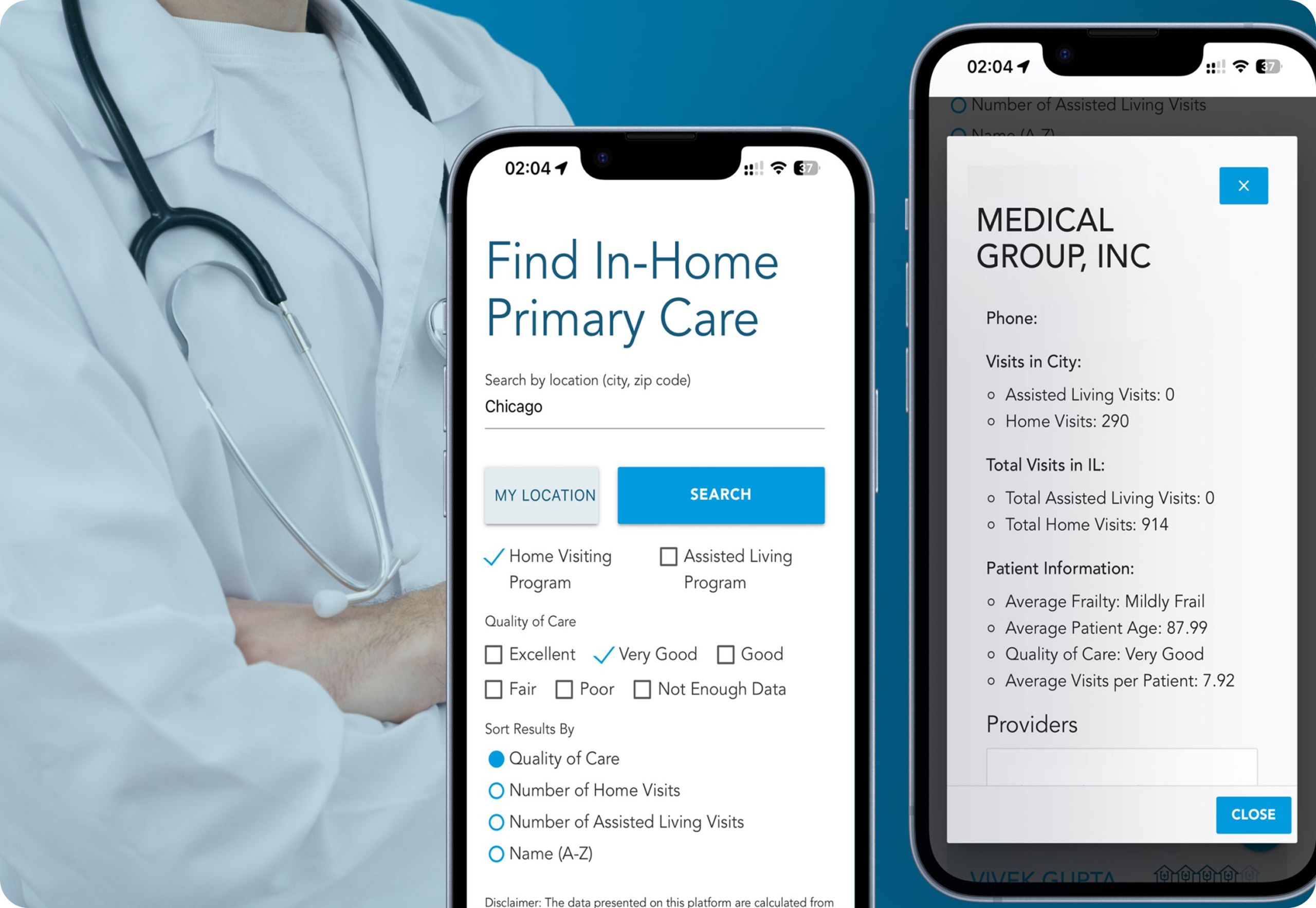
A good way to understand how custom telemedicine tools are built is to look at real projects. One of our healthcare solutions is a medical search platform used by care teams to access reliable clinical information.
The system helps clinicians find validated procedures and guidelines during consultations. It processes large volumes of medical data, organises it into structured formats, and delivers it through a clean and fast interface. This product shows a typical challenge in healthcare. Teams need tools that bring clarity, accuracy, and trust in real clinical environments. A telemedicine app relies on the same principles. It must help providers make correct decisions at the right time.
What Ralabs brings to telemedicine development
Building telemedicine products has been one of our focus areas for years. Our healthcare work covers software for medical teams, EHR integrations, decision support, remote patient tools, and AI powered search systems.
Our approach to telemedicine development includes:
Deep knowledge of healthcare standards
Our teams work with HL7, FHIR, DICOM, and strict compliance guidelines across US and EU markets. This helps us design architecture that supports long term growth and regulatory audits.
UX and product thinking
Telemedicine works only when users trust it. We design patient and clinician journeys with clarity and safety as priorities.
Scalable engineering
We build systems that can handle thousands of parallel consultations and heavy data streams without service interruptions.
Integration experience
Many telemedicine platforms must connect to EHRs and laboratory services. We have delivered products that interact with national health systems, private EHRs, and custom record tools.
Trends shaping telemedicine app development
Telemedicine continues to expand beyond traditional remote visits. Several trends influence how modern platforms evolve.
Remote diagnostics
Specialties like dermatology, cardiology, and chronic care rely on patient collected data and imaging. Telemedicine platforms now incorporate these inputs into clinical workflows.
Integrated remote monitoring
Connected devices that track vital signs and activity are becoming part of long term care. Telemedicine platforms must interpret this data and present it in clear clinical formats.
Clinical decision support
Tools that help clinicians find relevant guidelines or interpret risk scores directly during a session are becoming standard. They accelerate care while preserving accuracy.
Cross team collaboration
Telemedicine is increasingly used by multi clinician teams who share cases. This requires internal messaging, shared notes, and coordinated tasks.
Updated regulations
Governments refine rules for digital health, including consent guidelines, data retention, cross border communication, and remote prescriptions. Platforms that anticipate these changes gain a clear advantage.
Conclusion
When a custom telemedicine app is built correctly, it strengthens patient engagement, supports clinicians in their decision making, and integrates smoothly with existing systems.
The development process requires precise architecture, a clear understanding of healthcare standards, careful UX decisions, and strong security practices. Custom telemedicine platforms succeed when they reflect the real workflow of a healthcare organisation. They scale better, perform more reliably, and remain relevant as the clinical and regulatory landscape continues to evolve.
Let us help you design a platform built for real medical work.

CTO at Ralabs