Are you thinking about building an electronic health record (EHR) system for your organization?
If so, you are not alone. Many healthcare organizations explore how to create an EHR that fits their clinical workflows, integration needs, and regulatory requirements.
EHR systems are essential tools for storing, managing, and sharing patient medical information. When designed correctly, they help improve patient care, support care coordination, and streamline everyday clinical and administrative workflows.
However, understanding how to create an electronic medical record system or a full-scale EHR can feel complex. There are technical, regulatory, and operational factors that need to be addressed from the very beginning.
In this article, we walk through the key aspects to consider when building an EHR system, from early planning and design to development, compliance, and long-term maintenance.
Top takeaways:
- Building a custom EHR system starts with evaluating existing electronic health record software, data sources, and workflows to determine whether modernization or full development is needed.
- A modern EHR software solution typically includes role-based access for doctors, nurses, administrators, and patients, delivered through secure web and mobile applications.
- EHR system development requires careful planning around interoperability standards and regulations such as HIPAA, HL7, and FHIR, as well as integrations with labs, pharmacies, and insurance systems.
- Core EHR features should support clinical documentation, patient portals, secure communication, reporting, and healthcare data exchange across systems.
- Partnering with an experienced EHR software development company helps reduce technical and compliance risks while ensuring the system supports real healthcare workflows and long-term scalability.
Do all healthcare organizations rely on EHR systems?
According to the latest National Electronic Health Records Survey (NEHRS), nearly 95% of office-based physicians in the United States had adopted an electronic health record (EHR) system, with more than 80% using certified EHR technology.
Adoption continues to increase as clinicians rely more on EHR systems for daily care coordination and information access. Globally, the availability of digital health services — including core EHR functions — is also expanding across many health systems.
However, adoption rates may vary by country and by type of healthcare organization. Some smaller practices or rural clinics may still rely on paper records or may not have the resources to implement an EHR software system.
Additionally, some healthcare organizations may choose to use other types of electronic health systems, such as electronic medical record (EMR) systems, which are similar to EHR systems but may have a more limited scope.

EHR software implementation
Implementing an EHR software system helps healthcare professionals reduce paperwork, streamline documentation, and spend more time focused on patient care.
Process optimization and data centralization help create a unified digital record that can be securely accessed by authorized users in a convenient and structured format.
The global Electronic Health Records (EHR) market continues to grow steadily as healthcare systems adopt digital solutions worldwide. According to recent industry forecasts, the market was valued at around USD 30 billion in 2025 and is expected to expand at a compound annual growth rate of about 4-5% over the next decade, driven by ongoing healthcare digitalization, the need for coordinated care, and investments in clinical IT infrastructure.
Is an EHR system a game-changer for the healthcare industry?
Can an EHR system really transform patient care?
Simply put, an Electronic Health Record (EHR) system is a digital platform that helps healthcare organizations store, access, and share patient medical information, improving coordination and continuity of care. An EHR computer system serves as the central platform for managing patient data, clinical workflows, integrations, and secure access across a healthcare organization.
An EHR system brings together patient data, clinical workflows, and administrative processes into a centralized digital environment that supports daily operations across a healthcare organization. It helps improve care delivery, especially in time-sensitive and urgent scenarios.
In paper-based workflows, finding the right information often takes time. With an EHR system, authorized staff can access the same data in seconds.
Today, the same information can be accessed within seconds through an EHR system.
What are the different types of EHR?
There are several types of electronic health record software based on hosting:
On-premises EHR software
This software is installed on a local computer or network and is accessed by users within the organization.
Cloud-based EHR software
This software is hosted on a remote server and accessed via the internet. Users can access the software from any device with an internet connection.
Hybrid EHR software
This software combines elements of on-premises and cloud-based EHR software, and may be customized to meet the specific needs of an organization.
Which type of EHR software is best for your organization will depend on your specific needs and resources.
On-premises EHR software may be a good choice for organizations with a large IT department and the resources to maintain the software, while cloud-based EHR software may be a good choice for smaller organizations or those without dedicated IT staff.
Hybrid EHR software can provide a combination of the two approaches and may be a good fit for organizations that want the flexibility to choose which aspects of the software are hosted on-premises and which are hosted in the cloud.
EMR vs EHR
For organizations researching how to create an electronic medical record system, understanding the differences between EMR and EHR platforms is an important early decision, as it impacts scope, interoperability, and long-term scalability.
The main difference between EMRs and EHRs lies in their scope and how the information is used.
EMRs are typically used within a single healthcare organization to store and manage patient records.
EHRs go beyond internal record-keeping and are designed to support information sharing and care coordination across multiple healthcare providers and organizations.
While EMRs focus primarily on storing medical data, EHR systems enable broader access, integration, and collaboration, which is essential for delivering continuous and well-coordinated patient care.
The process of building an EHR system
Understanding how to create an EHR requires a structured approach that balances clinical needs, technical architecture, and regulatory compliance. The process typically moves from discovery and planning through design, development, testing, and ongoing support.
The key question of this article is how to build an EHR system, from early planning to long-term operation. Let’s go step by step. This section outlines the EHR implementation process, from early discovery and planning to deployment and long-term support.
Idea validation and discovery process
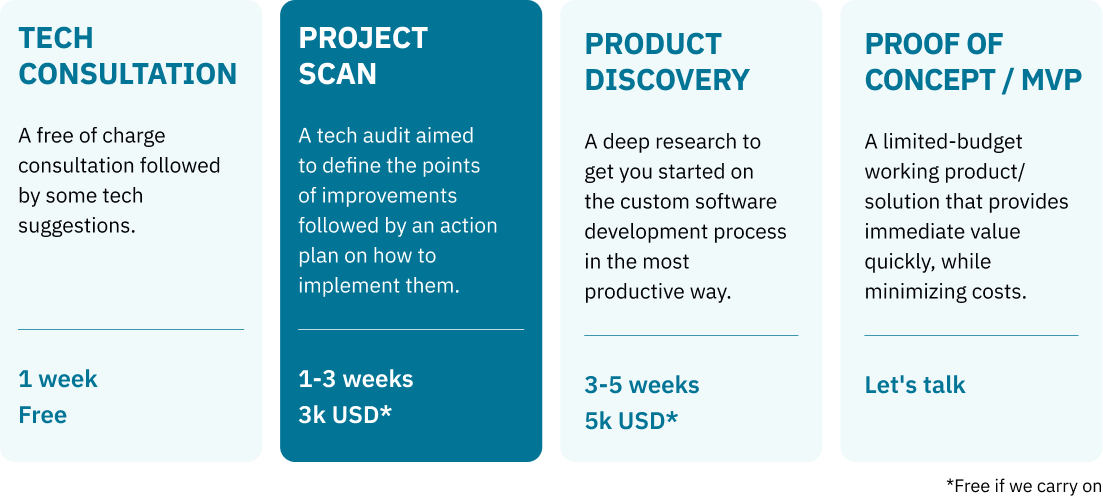
If you’re starting a new software development project and only have an idea, it’s a great choice to conduct a product discovery.
This process involves bringing together key stakeholders — such as solution architects, UI/UX designers, and business analysts — to research the market, understand clinical and operational needs, and define a clear roadmap with key milestones. A well-defined EHR implementation project plan helps align clinical, technical, and regulatory requirements before development begins.
If you are looking to upgrade your current system then the best approach would be to perform a tech audit. By reviewing the current technology and infrastructure, you can identify areas that need improvement and develop a plan for making those upgrades.
It’s important to involve engineers in this process, as they will be responsible for implementing the changes. It’s also helpful to have a business analyst involved, as they can help ensure that the upgrades align with the overall goals and objectives of the organization.
At the end of the discovery process, you should have a clear understanding of the scope and objectives of your electronic health record (EHR) system. Defining clear functional requirements for an EHR at this stage helps avoid costly changes later in development.
You should also have completed a needs assessment, in which you gathered input from all stakeholders to determine the specific needs and requirements of the EHR system.
These stages of EHR implementation help reduce technical risk, improve compliance readiness, and ensure the system aligns with real clinical workflows.
UI/UX Design
Using the outcomes of the discovery phase, the design team can begin the EHR design and UI/UX design process.
In the design step of building an electronic health record (EHR) system, the focus is on creating a detailed system design. This typically includes:
- User interface design: Creating intuitive, easy-to-use interfaces that support everyday clinical and administrative workflows.
- Data model design: Defining how patient and operational data is structured, stored, and accessed within the system.
- System architecture design: Planning the overall technical architecture, including how different components work together securely and efficiently.
 A well-designed system is easier to implement and test and is more likely to meet user needs.
Software Development
The development stage is where the EHR system begins to take shape as a working product.
Engineers take it forward as soon as the designers’ work is done and approved.
The initial concept of a product is turned into a full-fledged and top-notch solution with all the necessary features and functions.
As the prior research and analysis are conducted, the choice of technologies is complete. The development team implements the selected technology stack and builds the system according to defined functional, security, and interoperability requirements.
If needed, a mobile version is developed as well.
Testing
The testing stage is inevitable and consequential.
Quality assurance engineers check all the functionality, security matters, responsiveness, appearance, etc.
Their main goal is to define if the product is bug-free and won’t crash at any moment. Moreover, they test system compliance.
There are several types of testing that are typically conducted during the development of an EHR system, including:
- Unit testing: This involves testing individual components or modules of the EHR system to ensure that they are working as intended.
- Integration testing: This involves testing how different components of the EHR system work together, to ensure that they are integrated correctly and function as a cohesive whole.
- Acceptance testing: This involves testing the EHR system from the perspective of the end user, to ensure that it is user-friendly and meets their needs.
- Performance testing: This involves testing the EHR system to ensure that it can handle the expected workload and performance requirements.
- Security testing: This involves testing the EHR system to ensure that it is secure and compliant with relevant regulations and standards.
Launch & Maintenance
Once the QA phase is completed and the system meets quality and compliance requirements, the rollout of the EHR system can begin.
Start implementing the EHR system across the organization and phase out the use of paper records.
Keep in mind that your product will need updates and maintenance throughout its operation. So make sure your software partner is able to provide you with such services.
EHR software implementation requires close coordination between clinical teams, IT staff, and external vendors to ensure the system is deployed smoothly and adopted across the organization.
EHR Software Application Features
When building an EHR system, development teams take into account the specific needs and goals of each healthcare organization.
At the same time, there are several core features that are commonly found in most EHR software. Let’s take a closer look at them.
Patient portal
One of the most valuable features of an EHR system is the patient portal.
It provides secure access to patient medical records, personal information, prescribed medications, test results, and insurance details.
Here you can easily access some basic information about the patient, such as name, address, and contact information.
As well as the medical history: it includes a record of the patient’s past medical treatments, diagnoses, and procedures.
Clinical documentation & charting
Clinical documentation and charting is one of the core features of any EHR system and supports the daily work of healthcare professionals.
It allows clinicians to create, update, and manage structured patient records, including clinical notes, diagnoses, treatment plans, and observations recorded during patient visits.
Through clinical charting tools, healthcare professionals can document patient encounters in a consistent and organized way, ensuring that relevant medical information is easily accessible throughout the care process.
Proper clinical documentation helps maintain a complete and up-to-date view of a patient’s health history and supports continuity of care across different providers and healthcare settings.
Interoperability & system integration
Interoperability is a key feature that distinguishes EHR systems from more limited electronic record solutions.
It enables an EHR system to securely exchange data with external healthcare systems, such as other provider platforms, laboratories, pharmacies, and third-party healthcare services.
By supporting data sharing across different organizations and systems, interoperability helps ensure that patient information is available when and where it is needed, reducing data silos and improving care coordination.
Well-integrated EHR systems make it easier for healthcare providers to access up-to-date patient information, support continuity of care, and collaborate more effectively across different healthcare settings.
Appointment scheduling & visit management
Appointment scheduling and visit management is an important feature that helps healthcare organizations organize and coordinate patient visits more efficiently.
It allows staff to manage appointment calendars, schedule patient visits, and keep track of upcoming and past appointments within the EHR system.
By centralizing scheduling and visit information, healthcare teams can reduce administrative effort, improve patient flow, and ensure that visit-related data is consistently recorded and accessible.
Effective scheduling and visit management supports smoother daily operations and helps both healthcare providers and patients better plan and manage care interactions.
Reporting & Analytics
Reporting and analytics features help healthcare organizations gain better visibility into clinical and operational data stored within the EHR system.
They allow authorized users to generate reports and view insights related to system usage, workflows, and key healthcare metrics, supporting informed decision-making at different organizational levels.
By organizing data into clear reports and dashboards, EHR systems can help teams monitor performance, identify trends, and assess how processes and resources are being used over time.
Effective reporting and analytics support continuous improvement efforts and help healthcare organizations better understand and manage their operations.
Audit logs & activity tracking
Audit logs and activity tracking help healthcare organizations maintain transparency and oversight over how the EHR system is used.
This feature records user actions within the system, such as data access, updates, and changes to patient records, creating a clear history of system activity.
By tracking who accessed specific information and when, audit logs support accountability and help organizations monitor system usage, investigate issues, and identify potential security risks.
Audit logging plays an important role in supporting data protection practices and maintaining trust in the handling of sensitive patient information.
Secure patient–provider communication
Secure patient–provider communication enables protected information exchange between patients and healthcare professionals within the EHR system.
This feature allows patients and care teams to communicate through secure messaging channels, helping clarify questions, share updates, and support follow-up care while keeping interactions documented in one place.
By centralizing communication within the EHR, healthcare organizations can reduce reliance on unsecured channels and ensure that patient-related conversations are properly recorded and accessible to authorized users.
Secure communication tools support patient engagement and help healthcare teams maintain clear, organized communication throughout the care process.
Access control
Managing permissions is another important feature to include. An EHR system should have multiple data access control mechanisms in-built. It allows only authorized professionals to access sensitive patient data.
For example, nurses and laboratory staff may have access to different types of data than physicians, depending on their roles and responsibilities.
Similarly, access to administrative or insurance-related information can be limited to situations where it is relevant to patient care or clinical workflows. Proper access control plays a key role in maintaining patient privacy.
Integration with the laboratory
Laboratory integration enables EHR systems to exchange data efficiently between healthcare providers and laboratories.
As a result, laboratories can receive accurate test orders, patients can be informed about preparation requirements, and clinicians can access test results more quickly and reliably.
E-Prescribing
Instead of paper, medical professionals can easily use e-prescription tools for creating and transmitting electronic prescriptions to pharmacies.
E-prescribing also allows clinicians to transmit prescriptions electronically and receive confirmation from pharmacies, helping streamline the prescribing process.
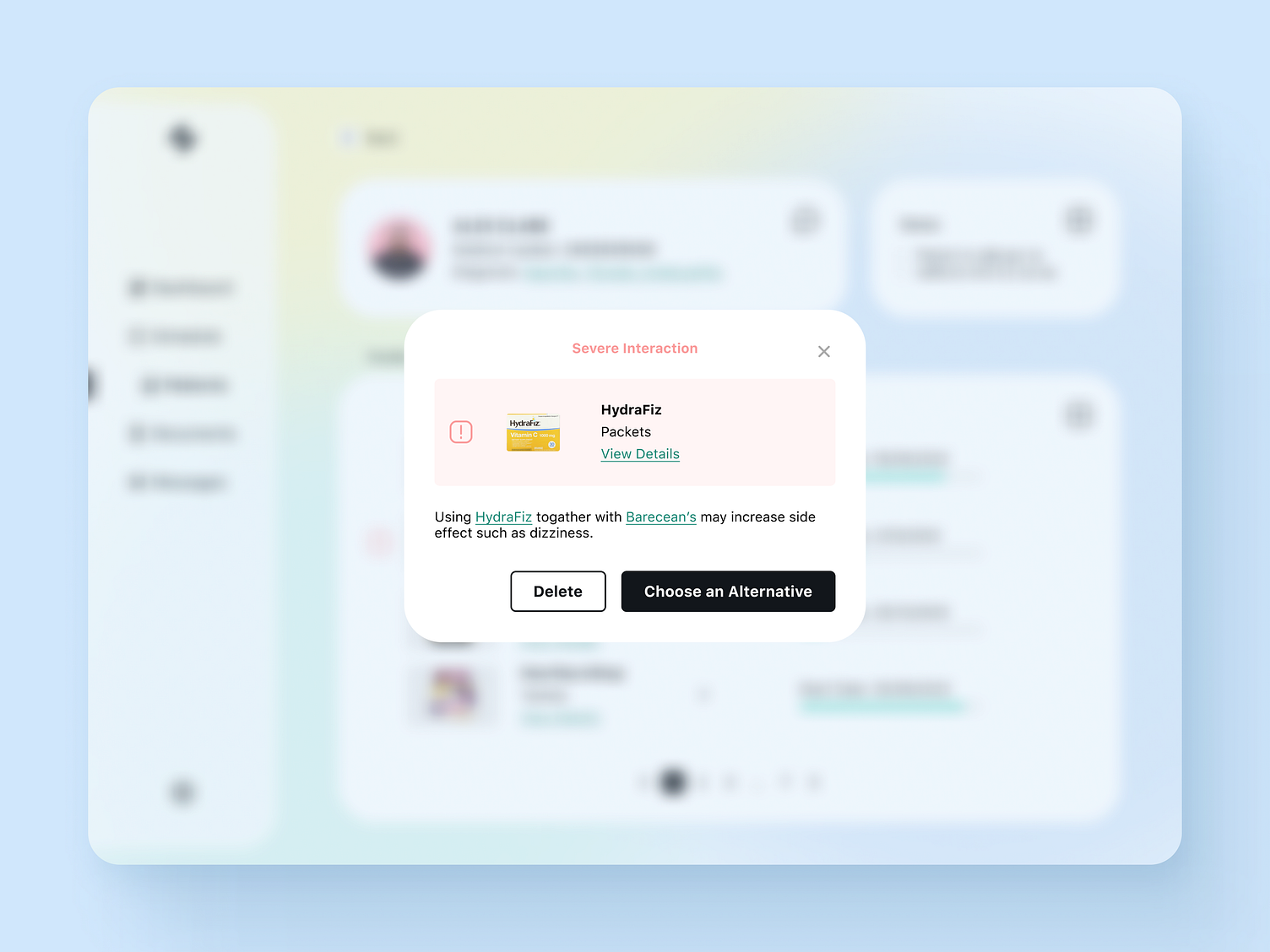
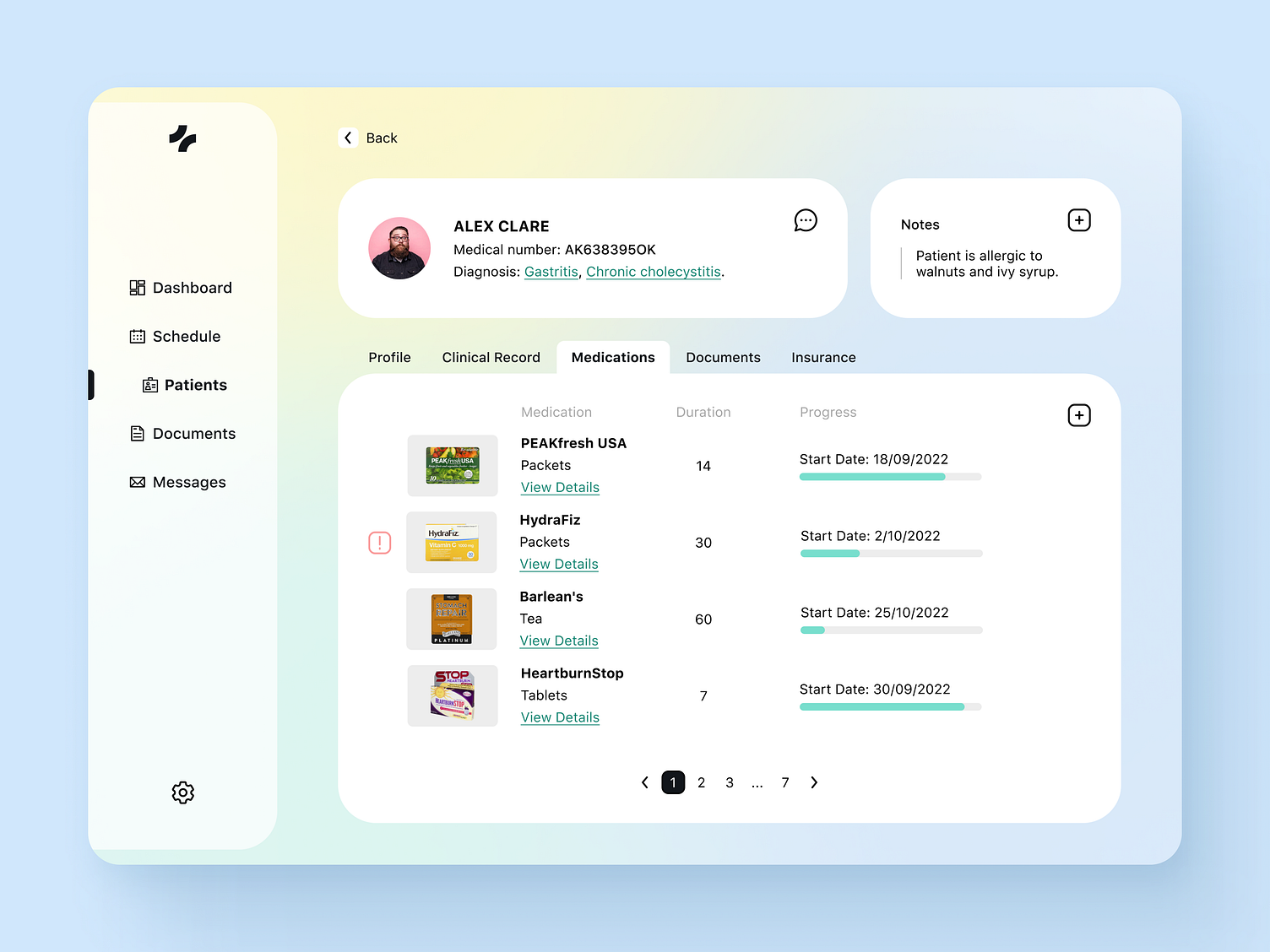
Medication management & history
Medication management and history features focus on maintaining a complete and longitudinal record of a patient’s medications throughout their care journey.
They allow clinicians to view current and past medications, track changes in prescriptions, and maintain a clear medication history within the EHR system.
By centralizing medication information, healthcare teams can better understand a patient’s treatment background and ensure that medication data is consistently documented and accessible when needed.
Proper medication management supports safe, coordinated care and helps healthcare organizations maintain reliable medication records across different care settings.
Billing and invoices
When we speak about private or paid procedures, any healthcare organization has to deal with invoices, billing, denials, claims, etc. With billing and invoicing features built into an EHR system, many administrative processes — such as billing, claims, and payment tracking — can be automated, simplifying work for finance teams.
Even more, many of these EHR systems also have payment functions that patients can use to pay directly for the service they use.
Document management
Another essential feature of EHR software is document management procedures.
Electronic health record systems make document management much easier. Supported formats may include text documents, images, videos, and medical imaging files such as DICOM (for CT or MRI scans).
These features are just the main ones we have decided to share. In addition to core functionality, EHR systems can be extended with optional features depending on organizational needs, workflows, and long-term digital strategy. It is just up to you to decide what features are needed for your custom-made EHR system.
If you are planning a custom EHR, here is a deeper breakdown of our EHR software development approach.
Benefits of EHR system development
EHR system development offers a wide range of benefits for healthcare organizations. Below are some of the most important advantages that EHR solutions can provide.
- Customization to specific organizational needs
- Improved operational efficiency and workflow optimization
- Better interoperability and data exchange between systems
- Enhanced data security and access control
- Improved user experience for healthcare professionals
- Scalability to support organizational growth and future needs
- Support for more coordinated and efficient patient care
- Potential long-term cost efficiency for healthcare organizations
By implementing an EHR system, healthcare organizations can streamline key processes, improve access to patient information, and support more efficient care delivery. When designed and implemented correctly, EHR solutions help improve operational consistency and patient experience while supporting long-term organizational goals.
HIPAA Compliant EHR
When focusing on how to build an electronic health record (EHR) system, or how to create an electronic medical record system, it is essential to consider compliance with HIPAA requirements. Many people are familiar with the term, but may not fully understand what it covers.
HIPAA has a direct impact on healthcare software development, including EHR systems. The regulation emphasizes that patient health information must be handled with care and protected against unauthorized access, loss, or misuse.
To create a HIPAA-compliant EHR system, it is important to address the following areas:
- Privacy and security requirements for patient data
- Management of third-party vendors and service providers
- Proper handling and administration of electronic records
- Training staff on data privacy and security practices
- Planning for incident response and emergency situations
Any digital health data may become a target for security threats. That is why following HIPAA requirements is a critical part of developing and operating an EHR system in the United States.
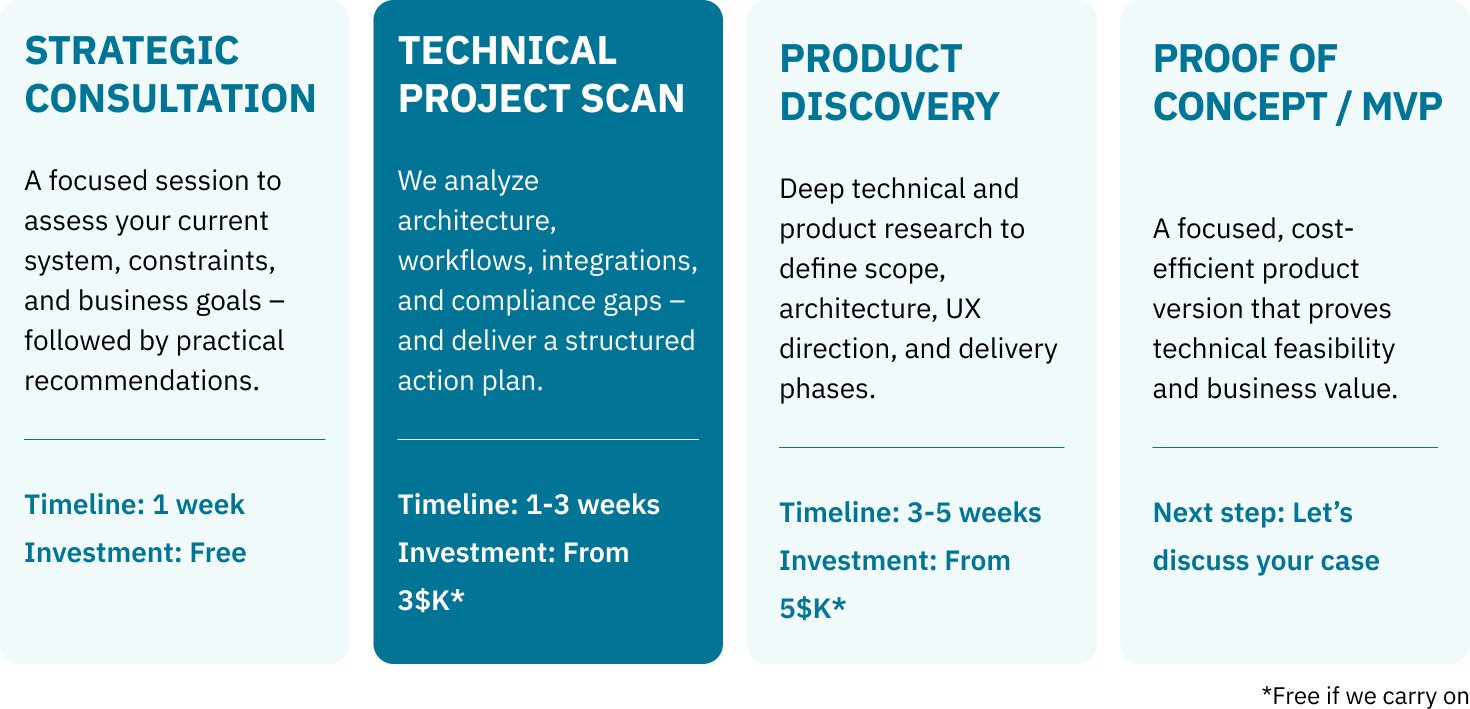
The cost of EHR software development
When discussing the cost of an EHR system, it is important to separate two parts – the initial software development and the ongoing operational costs needed to run and maintain the system.
Development costs can vary significantly between EHR systems. The final price depends on factors such as the experience and size of the development team, the feature set, system complexity, selected technologies, and the number of required integrations.
If you are starting an EHR project from scratch, it is usually best to begin with a discovery phase. During this stage, a cross-functional team works together to understand business and clinical requirements and define a clear plan. This team typically includes UI/UX designers, project managers, front-end and back-end engineers, QA specialists, and DevOps engineers. The outcome is alignment on scope, technical approach, timeline, and budget.
Based on typical project timelines, building a custom EHR system usually takes:
- Small to mid-sized EHR platforms – around 6 to 10 months, depending on scope and integrations
- Enterprise-level EHR systems – 12 to 24 months or longer, especially when advanced workflows and multiple integrations are involved
In terms of budget, EHR software development most often falls in the range of $60,000 to $350,000+. The final investment depends on system complexity, regulatory requirements, integration depth, and long-term scalability needs.
After completing the discovery phase, a software vendor can provide a high-level cost estimate based on the validated requirements. This estimate typically reflects factors such as organization size, number of users, customization level, and integration with external systems.
In practice, custom EHR development is a significant investment. Costs may start in the hundreds of thousands of dollars and reach several million for large or highly complex platforms. For this reason, healthcare organizations should carefully evaluate their needs and seek technical consultation before committing to development.
Future trends & challenges in EHR development
EHR systems are expected to continue evolving toward deeper interoperability and more standardized data exchange across healthcare organizations. Despite progress with modern standards and APIs, integrating data from multiple EHR systems remains a major challenge for many providers.
Improving usability and aligning EHR systems with real clinical workflows will also remain a key focus, as administrative burden and inefficient interfaces continue to affect clinician productivity.
At the same time, data security, regulatory compliance, and integration with legacy systems present ongoing challenges. Future-ready EHR solutions will need to balance interoperability, security, and usability while remaining adaptable to evolving healthcare requirements.
Ralabs experience in EHR software development
Ralabs has hands-on experience in EHR software development for healthcare organizations working with complex data, clinical workflows, and strict regulatory requirements. Our team works closely with healthcare providers to design and build EHR systems that are secure, scalable, and aligned with real clinical and operational needs.
One EHR example is our work on Optimising Patient Care with AI, where we developed a healthcare solution focused on improving access to patient data and supporting better clinical decision-making through intelligent data processing.
You can read the full case study here.
In our EHR projects, we focus on interoperability, data security, and usability, ensuring systems integrate smoothly with laboratories, pharmacies, and third-party healthcare services while remaining easy to use for medical staff.
If you want a deeper overview of our approach, technology stack, and healthcare expertise, see our EHR software development services page.
Wrap up
In conclusion, implementing an electronic health record (EHR) system can support healthcare organizations in modernizing their operations and improving how patient information is managed over the long term.
By improving document management, security, and communication, an EHR system helps make everyday healthcare workflows more efficient and reliable.
If you are looking for a software partner to help implement EHR in your organization, our team has the experience to design and build a solution that fits your clinical and operational needs.
You can contact us here to discuss your project requirements and next steps.
If you would like to stay up to date on EHR trends, healthcare software, and real-world implementation insights, you can also subscribe to our healthcare newsletter. From time to time we share practical articles and updates for healthcare teams working with digital systems.
We’ve worked with Ralabs to add an additional team alongside our core engineering and products teams. They have worked closely with us becoming fully integrated with us and delivering an excellent standard of architecture and engineering expertise.


Q&A: EHR systems
We know you’re here to find answers. We’ve got you covered.
Building a custom EHR system starts with analyzing clinical workflows, data requirements, and regulatory constraints. The process usually includes discovery and requirements analysis, system design, UI/UX design, software development with integrations, testing, and deployment with ongoing support.
EHR system development typically includes several key stages: requirements analysis, selecting an EHR development partner, preparing product specifications, UI/UX design, software development and integrations, and deployment followed by maintenance and support.
The development timeline depends on system complexity and scope. Small to mid-sized EHR systems usually take around 6 to 12 months to build, while large-scale or highly customized EHR platforms may require 12 to 24 months or longer.
An EMR system is usually used within a single healthcare organization to manage patient records internally. An EHR system supports broader data sharing and care coordination across multiple healthcare providers, organizations, and systems.
Off-the-shelf EHR software can work for standard workflows, but custom EHR development is often better for organizations with specific clinical processes, integration needs, or scalability requirements. A custom system allows greater flexibility and long-term alignment with organizational goals.
EHR systems must comply with healthcare regulations and data protection standards. In the United States, this includes HIPAA. Depending on region and use case, additional standards such as GDPR, HL7, and FHIR may also apply.
The cost of custom EHR software development varies widely based on features, integrations, compliance requirements, and system scale. Projects can range from hundreds of thousands to several million dollars, especially for complex or enterprise-level solutions.
Yes. Modern EHR systems are designed to support interoperability and can integrate with laboratories, pharmacies, insurance platforms, and third-party healthcare services using standardized APIs and data exchange protocols.