
Introduction
Agile development has become the go-to approach for modern product teams – no longer just a competitive advantage but an essential for delivering fast, adaptable, and user-focused software
Popularized through the Lean Startup methodology by Eric Ries, Agile introduced shorter, iterative development cycles that replaced traditional year-long product timelines. Instead of building, testing, and launching over months, modern teams move in weekly cycles focused on building, testing, and learning. This approach has shaped how teams deliver digital products quickly and adapt to user feedback in real time.
Among the many Agile frameworks available, Scrum and Kanban remain the most commonly used and recognized worldwide.
So how do they work – and which one might be the right fit for your team?

What is Agile development?
Agile development is a flexible, iterative way of managing work. It emphasizes speed, adaptability, and responsiveness to change. Originally used by software startups, Agile is now used across healthcare, education, and finance.
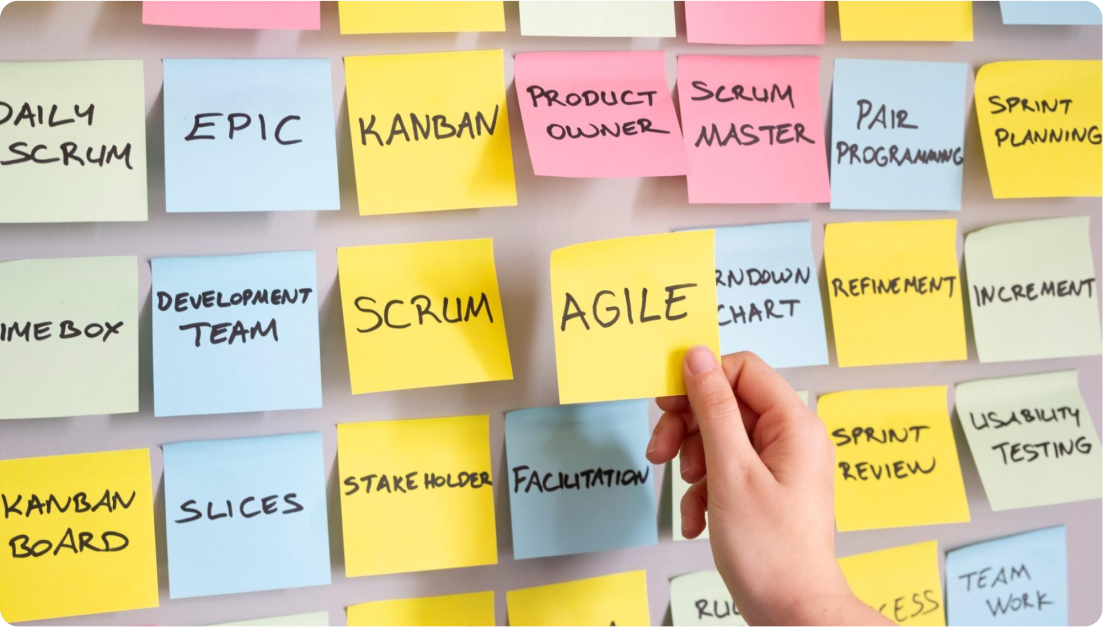
Agile is built for fast-moving environments where feedback matters and priorities shift often. It allows teams to stay responsive without losing structure. Today, tools like Scrum and Kanban are core to most Agile project management workflows.
Scrum methodology explained
Scrum is a structured Agile framework that organizes work into time-boxed iterations called sprints (typically 2–4 weeks). It’s designed to support continuous improvement while keeping teams aligned on goals and timelines.
A typical Scrum team includes:
- Product Owner – prioritizes the Product Backlog and represents the voice of the customer.
- Scrum Master – ensures the team follows Scrum practices and removes blockers.
- Development team – delivers work defined in the sprint and collaborates daily.
How scrum works
Each sprint starts with a Sprint Planning meeting to define the scope of work. Tasks are managed using a shared board with columns like:
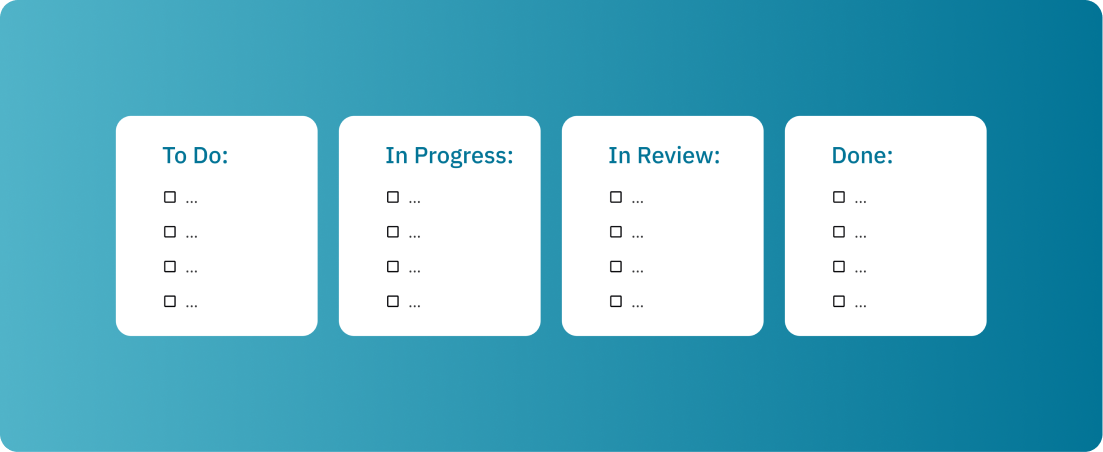
Daily Standups (15-minute check-ins) keep everyone aligned and surface any blockers. At the end of the sprint, the team holds a Sprint Review to showcase progress, and a Retrospective to reflect and improve future sprints.
Scrum encourages teams to stick with the sprint scope until it’s completed. Any mid-sprint changes are deferred to the next cycle unless they’re critical, which helps teams stay focused and avoid scope creep.
Scrum has proven especially effective for cross-functional teams building complex digital products, helping align priorities, roles, and pace.
Kanban methodology explained
Kanban is a lighter, more flexible Agile framework. Instead of fixed sprints, Kanban supports continuous delivery, allowing teams to release updates as soon as tasks are completed.
The core of Kanban is visualizing work and limiting Work In Progress (WIP). By placing a cap on the number of tasks being worked on at once, teams reduce context switching and focus on flow.
The Kanban board uses similar columns to Scrum, but tasks move through them continuously:
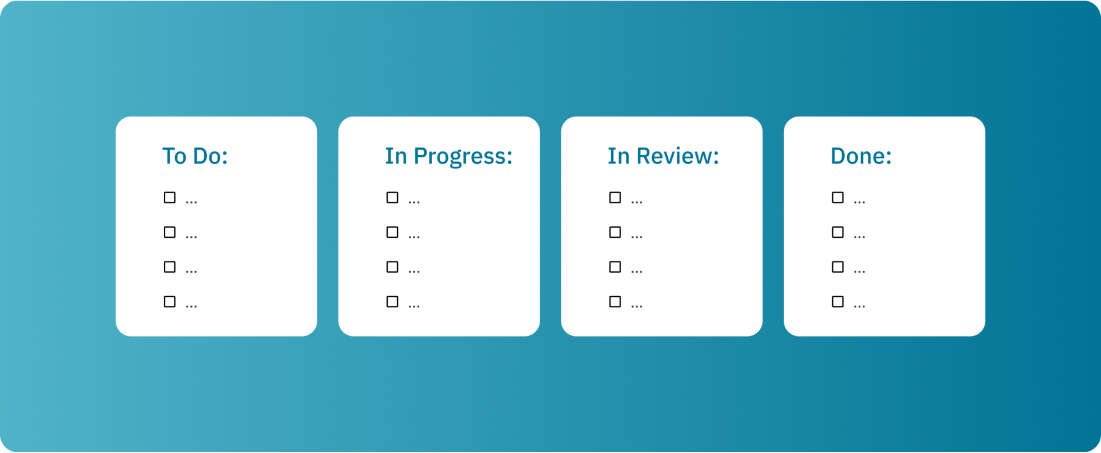
There are no formal sprint cycles, and teams update the product regularly without needing to wait for a batch release. New tasks are pulled in as soon as capacity allows, and completed work goes live immediately.
Kanban typically doesn’t require a Scrum Master or daily standups, though teams often adopt check-ins or hybrid rituals for coordination.
Thanks to its flexibility, Kanban is especially popular among service teams, support units, or startups with fast-changing priorities.
Kanban vs Scrum: pros and cons
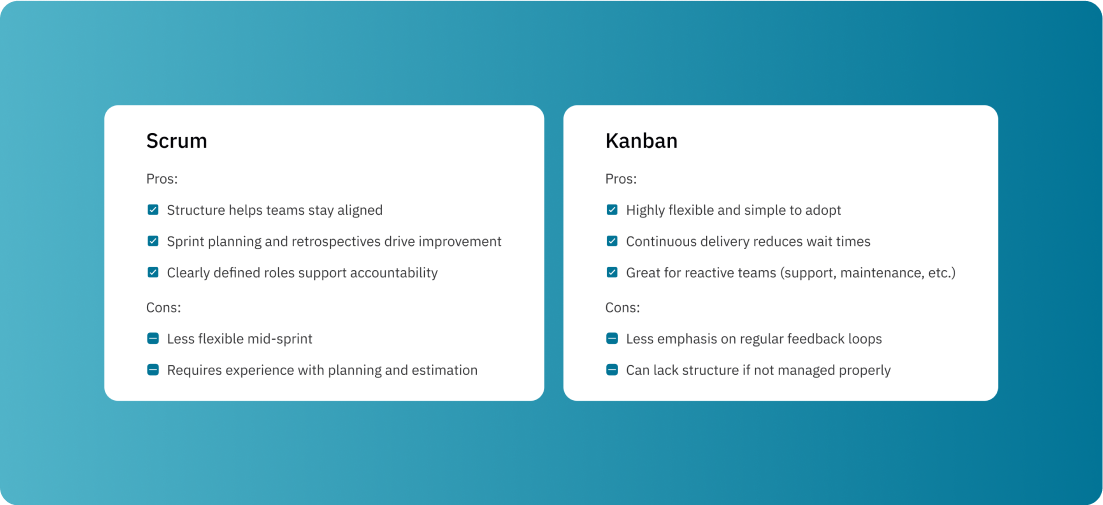
When to use Scrum vs Kanban
There’s no single “best” framework – it depends on your product, team size, and how your priorities shift over time.
Choose Scrum if:
- You have stable goals and long-term planning needs
- Your team benefits from regular reviews and reflection
Choose Kanban if:
- You need flexibility and fast response to change
- You handle frequent requests or ongoing tasks
Many teams in 2025 don’t stick to one approach. Hybrid models are common – for example, using Scrum’s planning and retrospectives with Kanban’s continuous delivery style. The key is to adapt Agile to your team’s workflow rather than follow any framework blindly.
Tools for Agile project management
- For Kanban-style boards, Trello remains a popular, easy-to-use choice.
- For Scrum and more complex workflows, JIRA is widely used, especially in larger teams.
- Other solid platforms include ClickUp, Asana, Monday.com, and Linear.