


header-security_bg-min

On the safe side of healthcare software

We help you to keep sensitive patient information safe and comply with regulations.

Minimize the risk of data breaches by identifying and remediating vulnerabilities in an organization’s IT systems, applications, policies and procedures.

Key numbers

Years of providing services
6 +
Satisfied clients
60 +
Week for a top hire
1
Certified Professionals
50 %
Client NPS
60 %

Our case studies

Our clients say

Total reviews

43

Average rating

4.9

Source

Healthcare data security services we offer

01

Security assessment

Protect your business against cyber attacks and ensure that sensitive information is not accessed, used, disclosed, disrupted, modified, or destroyed.

A security assessment will identify any areas of weakness and provide guidance on how to address them with several levels of protection.

02

Cloud infrastructure security

We provide tech consultations on the confidentiality, integrity and availability of a healthcare provider’s cloud resources and sensitive data.

The team will assess the current security state and recommend measures and best practices to secure the cloud environment.

03

Regulatory compliance

Stay compliant with regulations such as HIPAA, GDPR and CCPA.

A compliance assessment can help you understand your responsibilities and identify any areas where changes may be necessary to ensure compliance with these regulations.

04

Authentication & access control

2-factor authentication and access control are security measures that are used to control access to sensitive patient information within a healthcare organization.

Avoid unauthorised access to patient data and ensure that only authorised users can access sensitive patient information and electronic health records.

05

End-to-end IT security testing

Identify and evaluate potential vulnerabilities in software, IT infrastructure, policies and procedures.

By detecting, analyzing and helping to remediate any flaws, and human errors, quality assurance services help organizations prevent security breaches and stay compliant with regulations.

Apply security best practices, tools, and testing into the software development lifecycle from the beginning.

Integrate security into your software development process

Requirements

From the start identify and integrate security requirements into the overall software structure. Specify any security regulations or healthcare data security standards that the software must adhere to.

Design
Review the software architecture and design to ensure that it includes appropriate security controls. This includes identifying any potential security weaknesses and addressing them during the design phase.
Development

When developing software for the healthcare industry, it’s vital to follow industry-specific security guidelines and protocols to ensure the protection of sensitive patient information.

Quality Assurance

For features that are yet to be ideated, designed, and developed. For up-and-running products that are to be maintained, put through security tests, and updated regularly.

Deployment

To deploy software, there must be a secure environment. Use access management controls, encryption and regular security audit to enhance security in a deployed environment.

Support

Regularly update and patch healthcare software to address new security vulnerabilities as part of an ongoing healthcare cybersecurity process

Benefits

Regulations and standards we work with

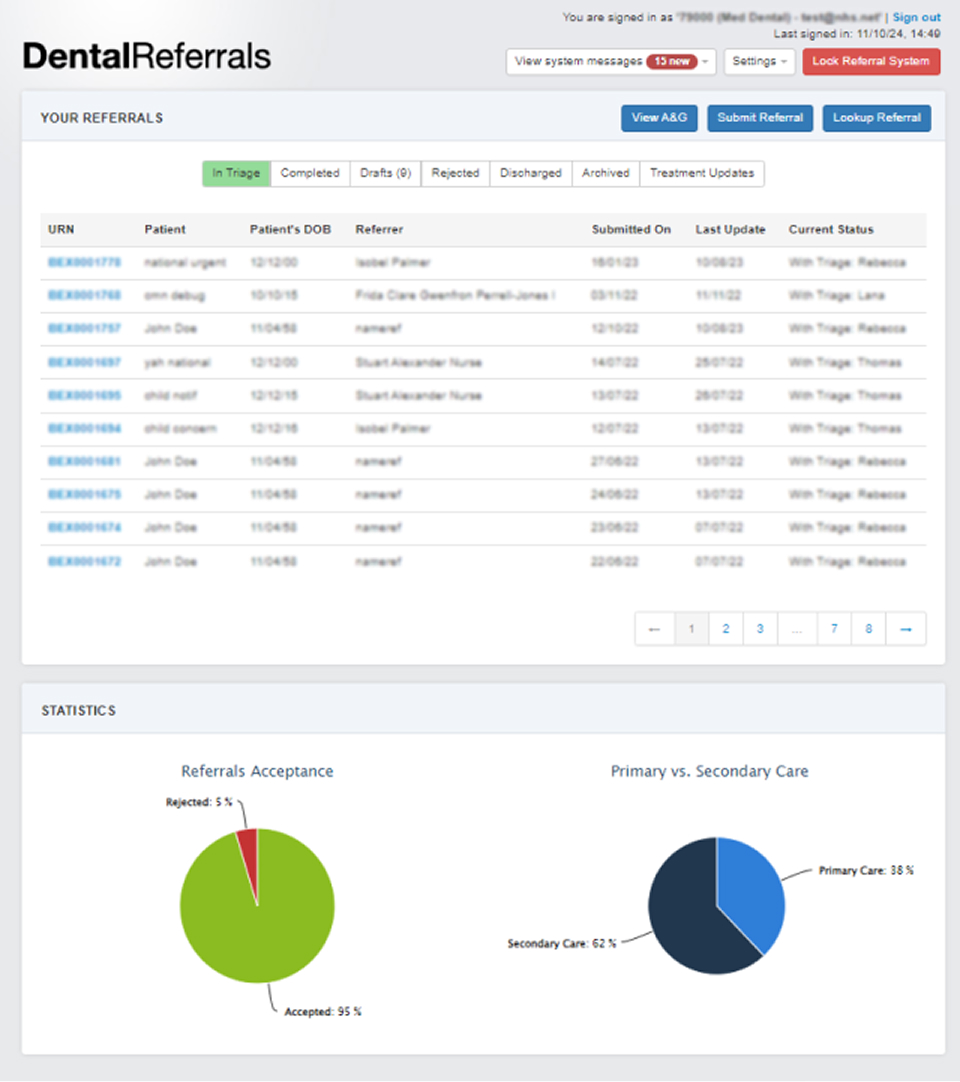
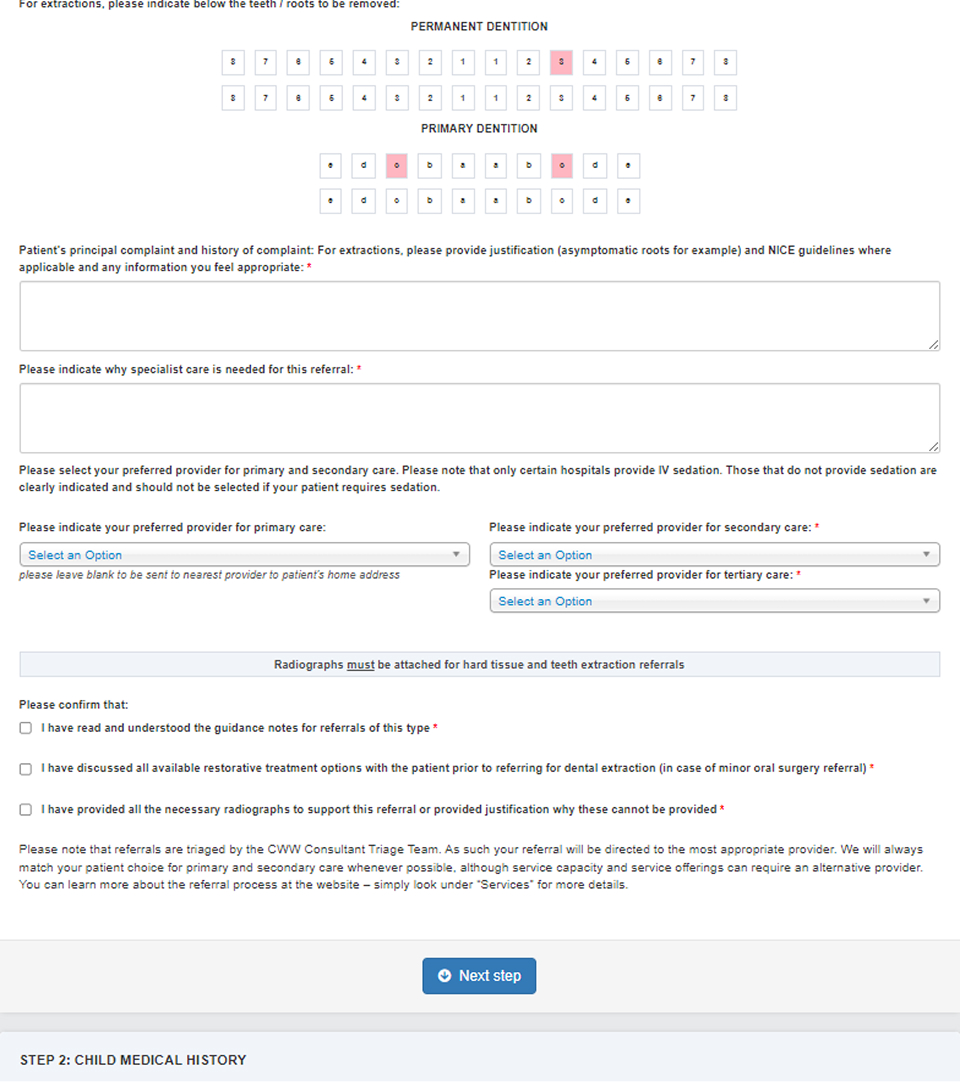
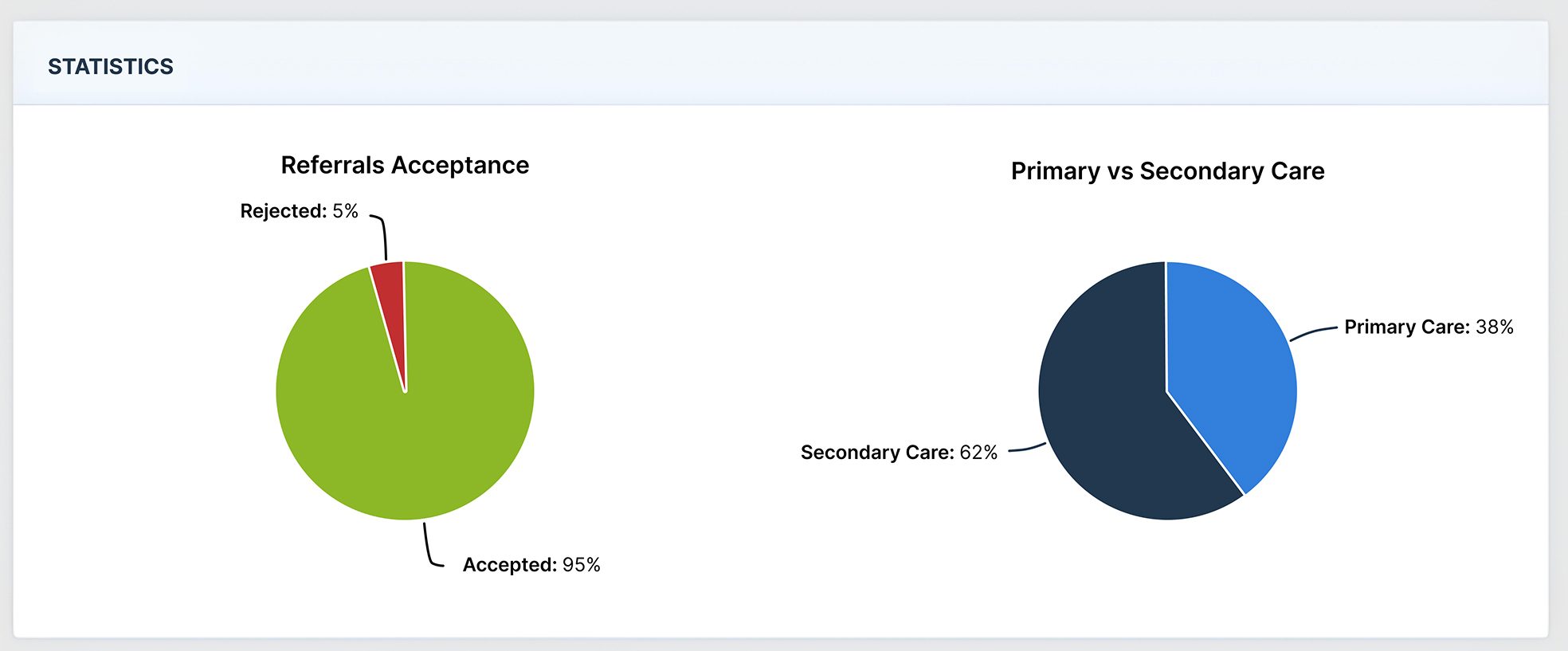
Enhanced security for the dental system

We overhauled the outdated system for dental referrals, enhanced its security, resilience, and improved the overall performance.

The app is being turned into a full-scale platform, reliable for preserving and managing the patients’ sensitive data. Also, the AWS migration process led to improved app efficiency.

Let’s talk solutions

    By submitting this form, you agree to our Privacy Policy.


    Roman Rodomansky

    CTO & Co-Founder at Ralabs

    Andrii Yasynyshyn

    CEO & Co-Founder at Ralabs

    Related publications

    FAQ

    The biggest security threat to healthcare data is often considered to be cyber attacks such as hacking, phishing, and malware. These types of attacks can compromise sensitive patient information such a medical records and lead to data breaches.

    Data loss during migration operations or data processing in healthcare can pose a significant cybersecurity risk. To mitigate these risks, healthcare organizations should implement robust security measures, such as encryption and secure data transfer protocols, and conduct thorough testing before and after any migration or data processing operations.

    Additionally, they should have incident response plans in place to quickly and effectively respond to any security breaches that may occur.

    Lack of employee training, weak passwords, and outdated systems and software can also contribute to the risk of a data breach in the healthcare industry.

    Healthcare organizations can protect patient data by implementing a number of security measures. Such as regular security assessments, proper employee training, incorporating the best practices of quality assurance and keeping up to date with industry standards and regulations.

    Also, implementing backup and rollback best practices can help mitigate the risk of data loss during migration operations or data processing in healthcare.

    • Regularly update software and firmware.
    • Implement network segmentation.
    • Use strong authentication.
    • Conduct regular security assessments.
    • Provide employee training.
    • Follow industry standards and guidelines.
    • Regularly monitor the network for unusual activity.
    • Implement secure communication protocols.
    You got it right!

    Only 21% of people can identify an accessible visual.

    Your question