
- We’ve published a new batch of articles this month. Topics range from AI agents and open source risks to booking UX. All are written with builders in mind:
Hello, Fellow Tech Enthusiasts! 
Here’s what’s been happening across Ralabs and the industry in July.
📊 Focus & Insights
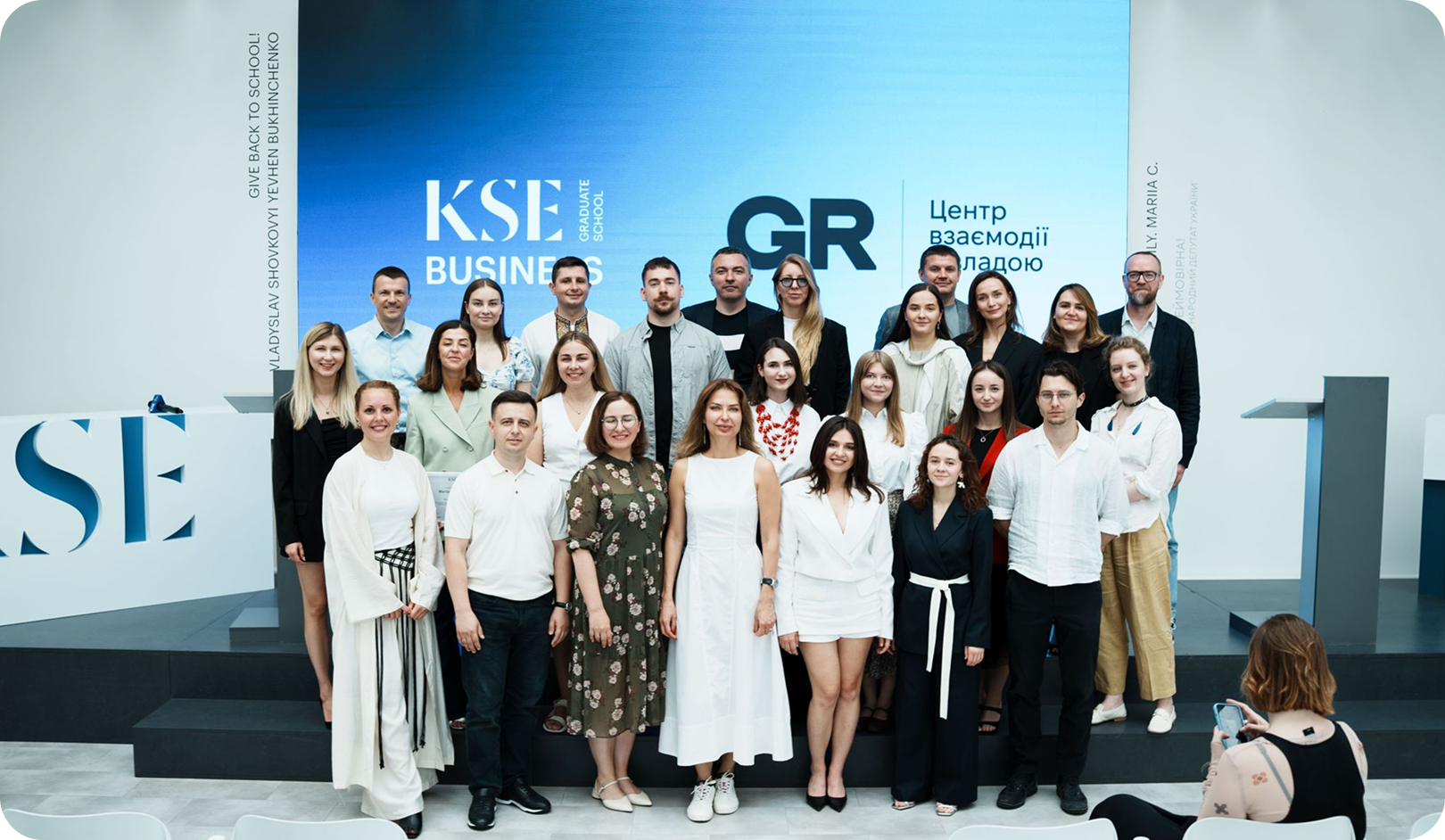
- This month I graduated from the Kyiv School of Economics. One of the most practical programs I’ve ever gone through, plenty of insider context you simply won’t find online. Grateful for the experience and the people I met along the way.
- We’ve published a new batch of articles this month. Topics range from AI agents and open source risks to booking UX. All are written with builders in mind:
- We’ve also added two new project case studies. If you’re curious how AI is reshaping real estate search or how we’ve helped independent media teams stay productive during the war, read on:
- Medical Search App
- Scalable Solution for 10 Independent Media – this one we’re especially proud of. We built custom websites to help frontline journalists in Ukraine publish quickly and securely. Worth a look.

- I’ve started sharing my thoughts more frequently on LinkedIn. First up: Open Source You Can’t Use – a breakdown of the hidden limitations behind “open-source” tools. Expect more articles, tech takes, and behind-the-scenes posts soon.
👩🏼💼 HR Updates
- We welcomed three new team members last month.
- In July we ran two internal sessions:
- Practical Cybersecurity
- Hexagonal Architecture
📈 Business Development
- TNW Amsterdam follow-ups are in progress. Focus areas include fintech, real estate, hospitality tech, and insurance. These conversations are a clear reminder that face-to-face networking still delivers. We’ll continue attending key conferences to stay visible and meet the right people.
- Latest reads for clients and product teams: Why Founders Are Betting Big on AI Agents & What It Takes to Build a Proper Analytics Pipeline.
💼 Open Positions at Ralabs
- Senior UX/ UI Designer;
- Senior Go Engineer;
- Middle Python Developer;
- Middle Angular Engineer;
- Middle Go Engineer;
- Manual QA Engineer;
- Middle Software Engineer with Elixir;
- Dedicated Senior Recruiter;
- Senior Project Manager;
- Node.js/MongoDB Engineer;
- QA/AQA JavaScript Specialist;
- Middle/Senior Vue.js Engineer.
💻 Coding Insights
- Claude Code Requirements Builder – turns Claude into something closer to a junior dev. Instead of jumping to code, it asks discovery questions, reads your repo, and then suggests implementation plans with paths and reasoning. Use it with RepoPrompt for better context handling.
- Pogocache – a high-performance cache designed for minimal CPU usage and broad protocol support (Memcache, Redis, Postgres).
- webdriverio-camera-service – lets you mock camera feeds in WebdriverIO tests. Good find for our AQA team.
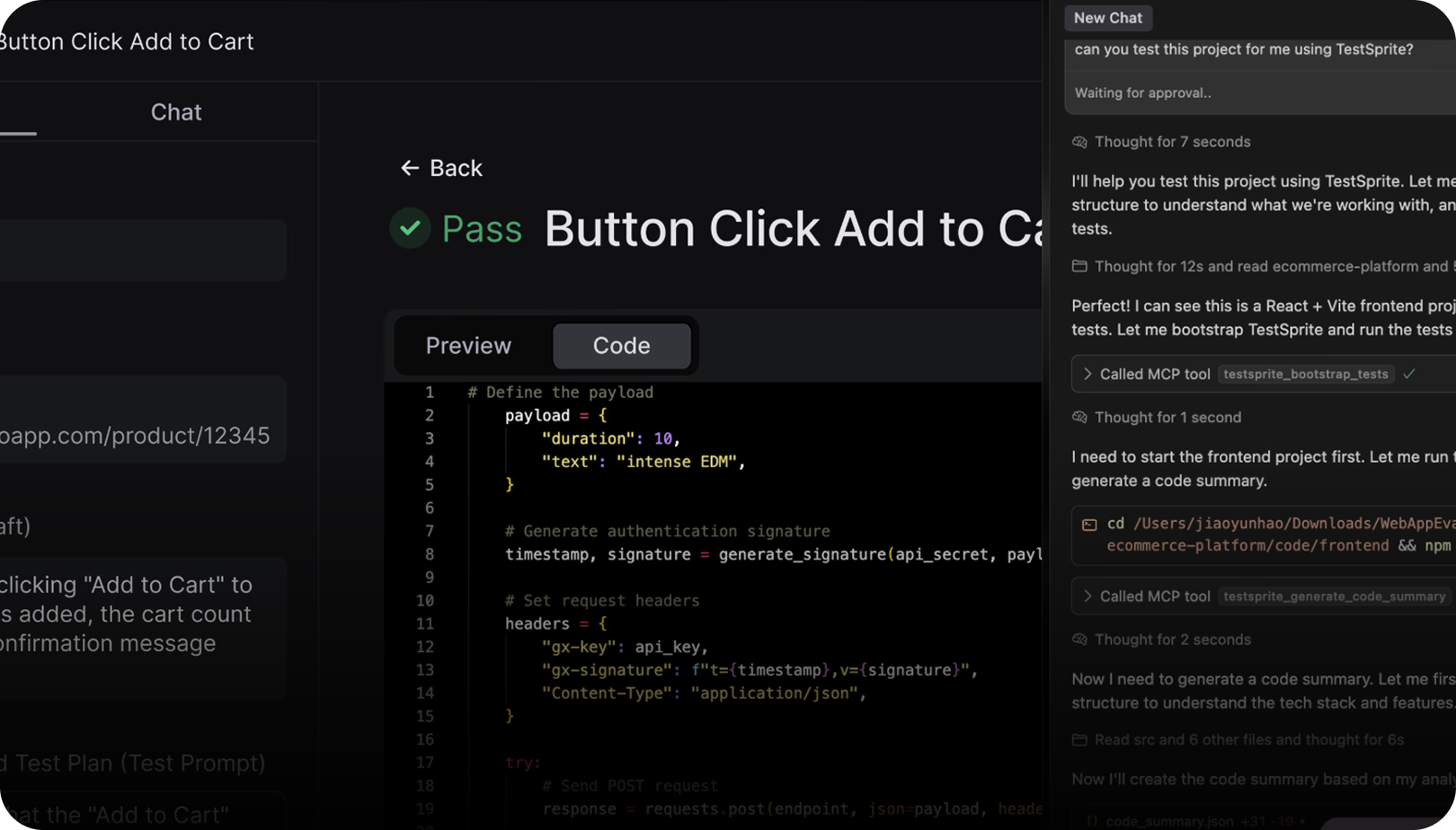
- TestSprite – new automation platform designed for QA teams. It combines low-code test creation with visual flows. Worth a trial run – might help speed up regression testing across teams.
- pgactive – PostgreSQL extension for active-active replication.
- Kompressor – clever UI and fast processing make this a solid tool for image optimization on macOS. Drag-and-drop interface + processing toggles. Smooth UX, especially for design teams.
- ProjectionLab – a clean, visual-first tool for personal financial planning. Good for founders, freelancers, and engineers managing contract income or planning equity. Free tier available.
- Bench – AI assistant that handles tasks like document creation, research, and list generation. Think of it as a no-frills EA you can ping on demand.
🤖 AI Developments
- Gemini vs OpenAI at IMO – both teams scored 35/42 on the International Math Olympiad benchmark. But Google trained on curated math solutions while OpenAI didn’t optimize for this task. Either way, the bar is getting higher fast.
- Amazon’s AI agent marketplace – Amazon’s prepping a marketplace to distribute AI agents. If they integrate this into AWS, it could shift how teams adopt agent-based workflows. Watch closely.
- OpenAI’s checkout system – they’re building native payment flows inside ChatGPT. Early demos already shown to brands. If this ships, it could push ChatGPT deeper into commerce use cases.

- AI in physics – LLMs are designing experiments that outperform human baselines. No new physics discoveries yet, but it’s becoming a valuable hypothesis tool. Use case: automating discovery, not just summarizing.
- Side note: Several engineers now prefer Gemini over OpenAI – especially for research-heavy use cases, video parsing, and tight Google ecosystem integration. Worth noting for upcoming tool evals.
📚 Books and Reading
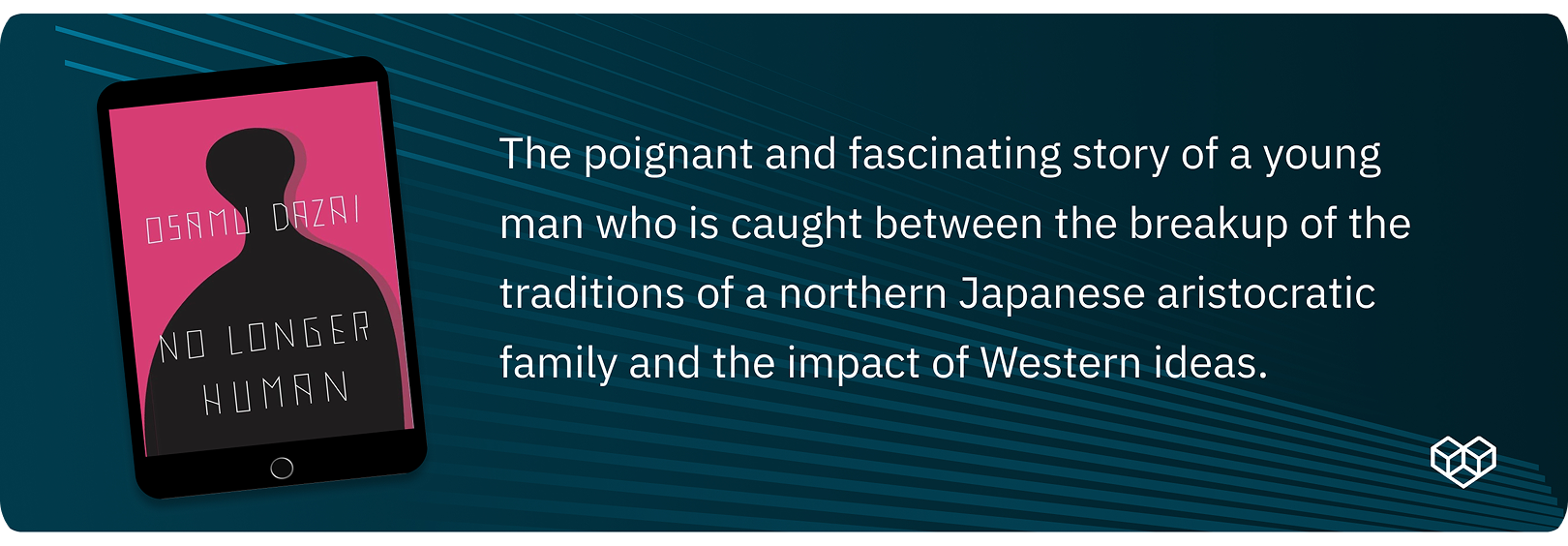
- I have three book recommendations from July: No Longer Human by Osamu Dazai – one of my all-time favorites. I decided to revisit it this month. Beautiful writing, painfully honest. Some say the author was writing about himself, which makes it even heavier.
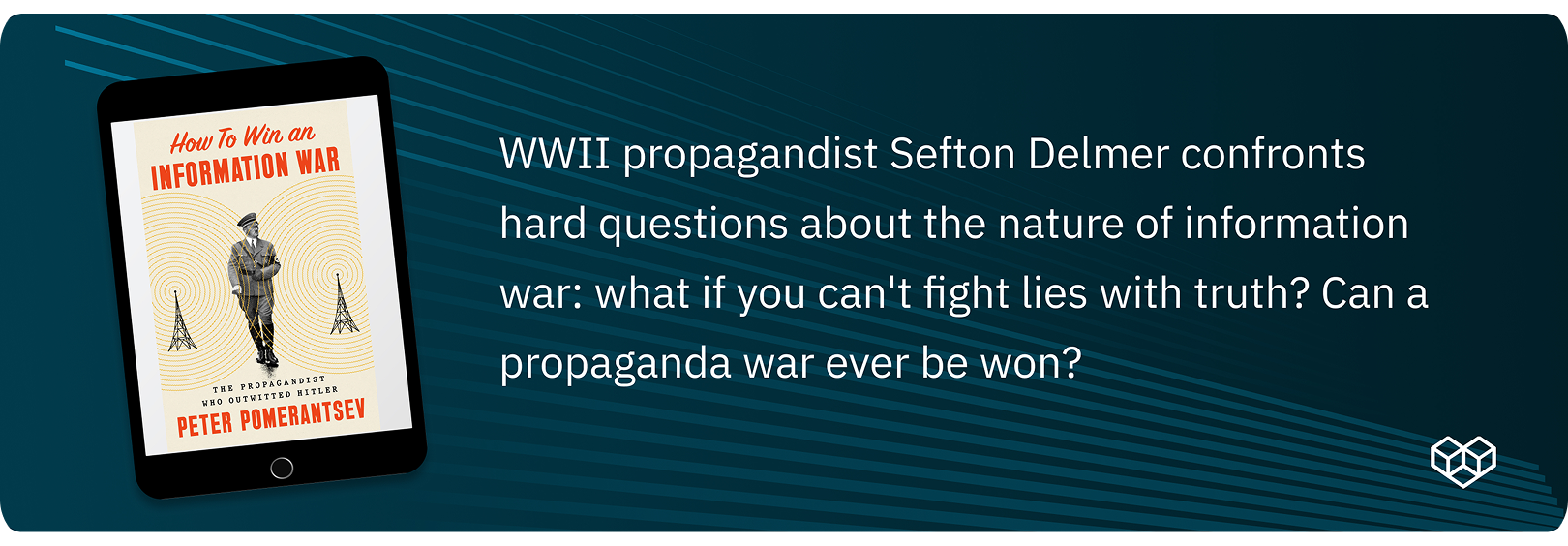
- How to Win an Information War by Peter Pomerantsev – a sharp read on how propaganda really works. If you want to understand whether you’re being influenced, start here.
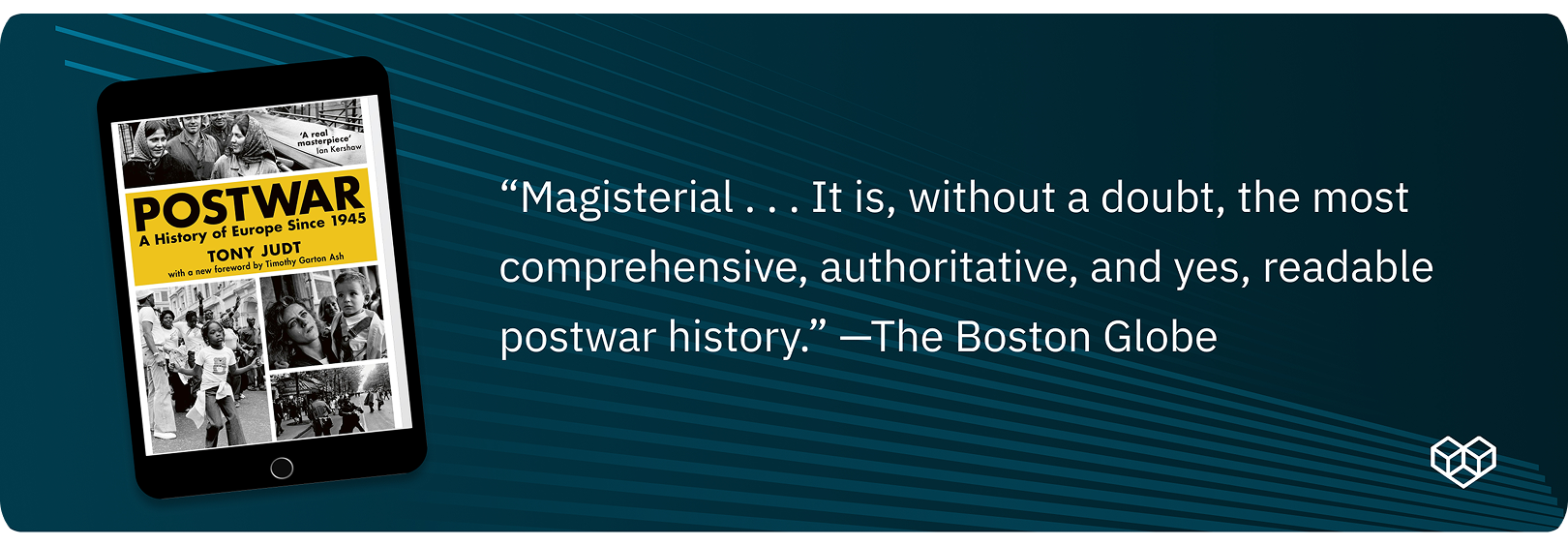
- Postwar: A History of Europe Since 1945 by Tony Judt – there are plenty of books about WWII. Far fewer explain what came after. This one does, in depth.
💡 Thoughts
- Too many people call something an “AI agent” when it’s just GPT in the loop. That’s not an agent – that’s autocomplete. If a human still needs to review, approve, or click through – it’s a semi-automated workflow, not an agent.
A real agent has three traits: real inputs and outputs, at least one AI-driven decision, and no manual steps.
The tech doesn’t have to be complex. I’ve built agents using n8n, Claude or OpenAI, and simple interfaces like Slack or Notion. Sometimes with retry logic or vector search, but often without.
What’s the smallest working agent you’ve built?
🔍 Other Noteworthy Mentions
- HTML zip bomb – fun read on how to handle aggressive bots. It walks through building a valid HTML bomb that burns crawler RAM while staying undetectable. Niche, but smart.
- Agent docs best practices – explains how agent documentation should differ from internal dev docs. Structured AI docs = fewer hallucinations, better results, and reusable outputs. Should be standard on any agent-heavy team.
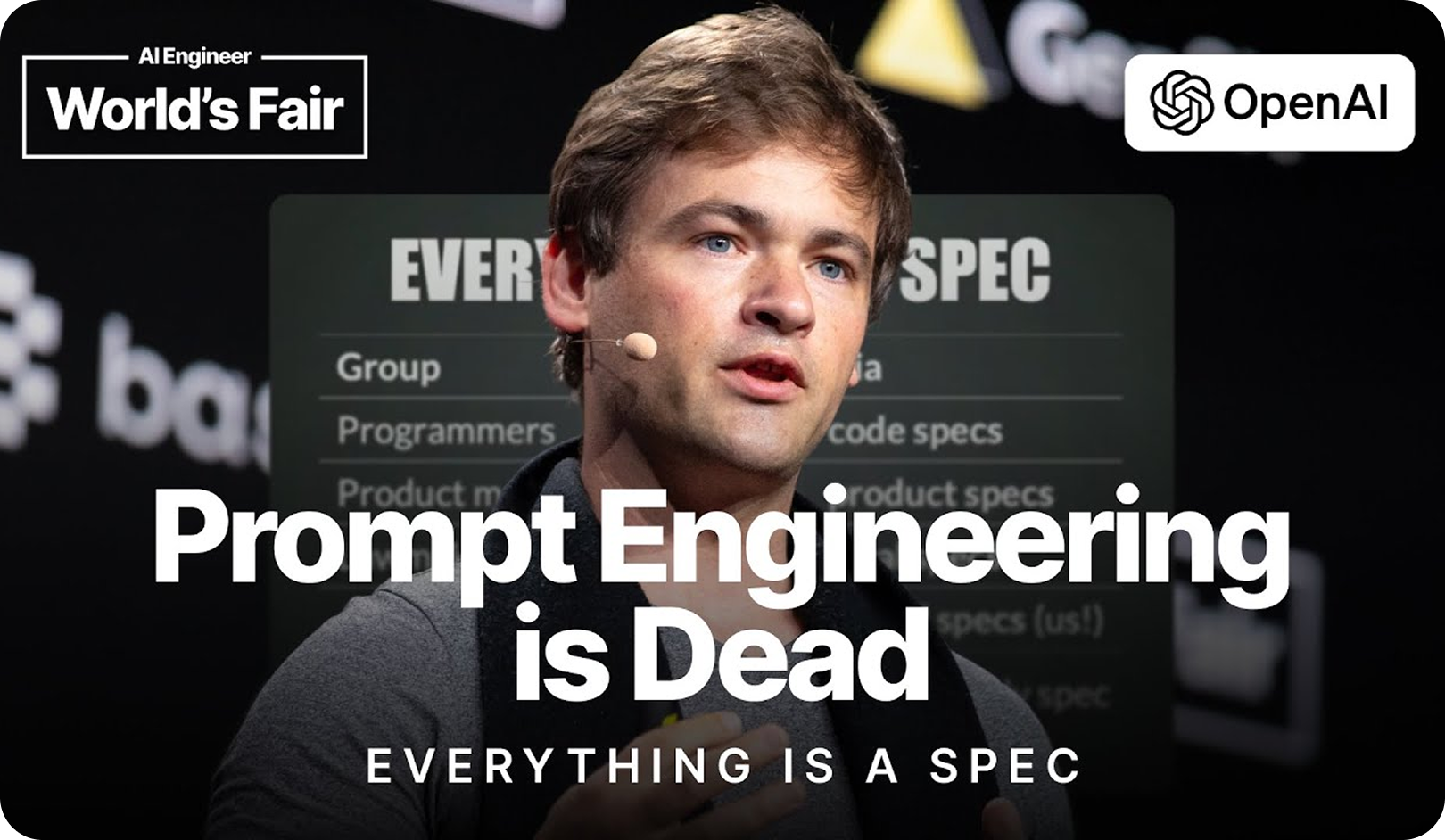
- Prompt Engineering Playbook – smart guide for developers who want to push AI further. Goes beyond templates – includes strategies to turn assistants into consistent, reusable tools. Good resource for anyone building agent flows.
- LLMs in 2025 – State of Play – analysis of how engineers at startups and Big Tech are using LLMs today. Spoiler: it’s still messy, but the tools are sticking. Includes product strategies from Anthropic, Google, and Amazon.
- Event-driven architecture – a must-read breakdown of event-driven design principles. Covers command vs event sourcing, decoupling, and where teams usually go wrong. Forward to any engineer still stuck in REST-only thinking.
- YouTube: “Why I Don’t Like the Term ‘Content’” – a sharp take on how tech and media have flattened everything into “content”. Useful reminder to keep language sharp and purposeful.
If you found this update helpful, feel free to share it with others. My newsletter is also published as a blog on our website – Ralabs Blog. You can now read the previous updates there.
Lastly, as a company with deep Ukrainian roots, we continue to seek your support for Ukraine during these challenging times. Every contribution makes a difference.

- I have three book recommendations from July: No Longer Human by Osamu Dazai – one of my all-time favorites. I decided to revisit it this month. Beautiful writing, painfully honest. Some say the author was writing about himself, which makes it even heavier.
- I have three book recommendations from July: No Longer Human by Osamu Dazai – one of my all-time favorites. I decided to revisit it this month. Beautiful writing, painfully honest. Some say the author was writing about himself, which makes it even heavier.
- I have three book recommendations from July: No Longer Human by Osamu Dazai – one of my all-time favorites. I decided to revisit it this month. Beautiful writing, painfully honest. Some say the author was writing about himself, which makes it even heavier.