Hello, Fellow Tech Enthusiasts! 
Right on time to discuss the latest from Ralabs and the tech industry.
📊 Focus & Insights
- This month, Yuliia Matsyhon and Yevheniia Kuryliuk represented Ralabs at two key events: IT Arena in Lviv and the New Age Media Summit 2025 in Kyiv. Both underline areas where we continue to focus: AI and media.
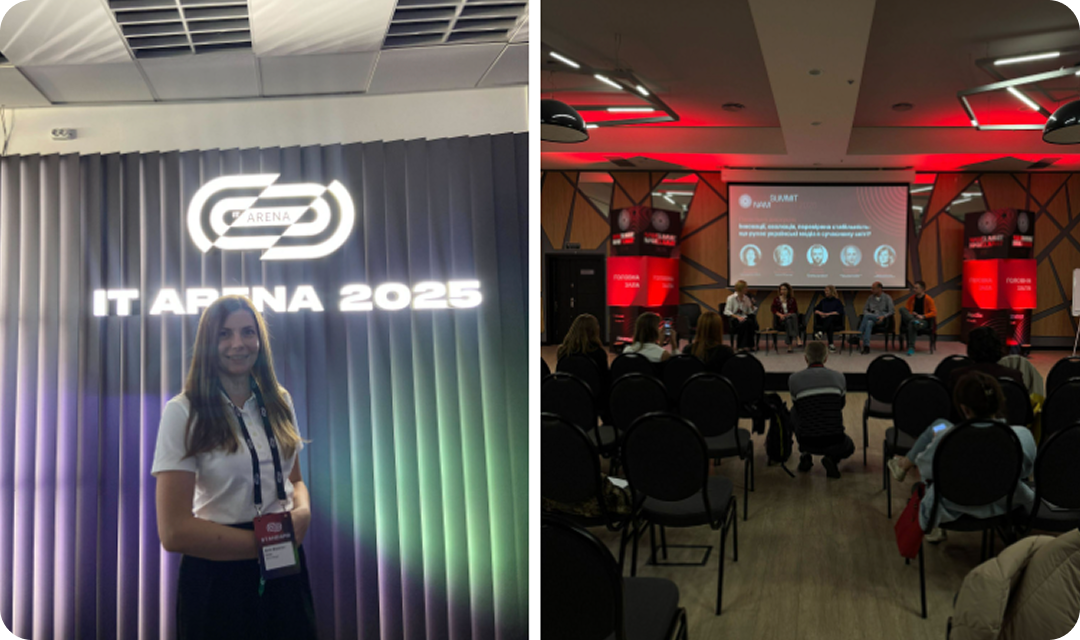
- NAM Summit is one of the leading events for Ukrainian media, bringing together top media leaders, the public sector, technology, and government to discuss strategic challenges and innovations shaping the industry. Attending the event was important especially now, when Ukraine’s media sector is under pressure: war, rapid digital shifts, and the constant need for credibility. We covered this in more detail in our article How Ukrainian outlets are reshaping media with tech, worth a read.
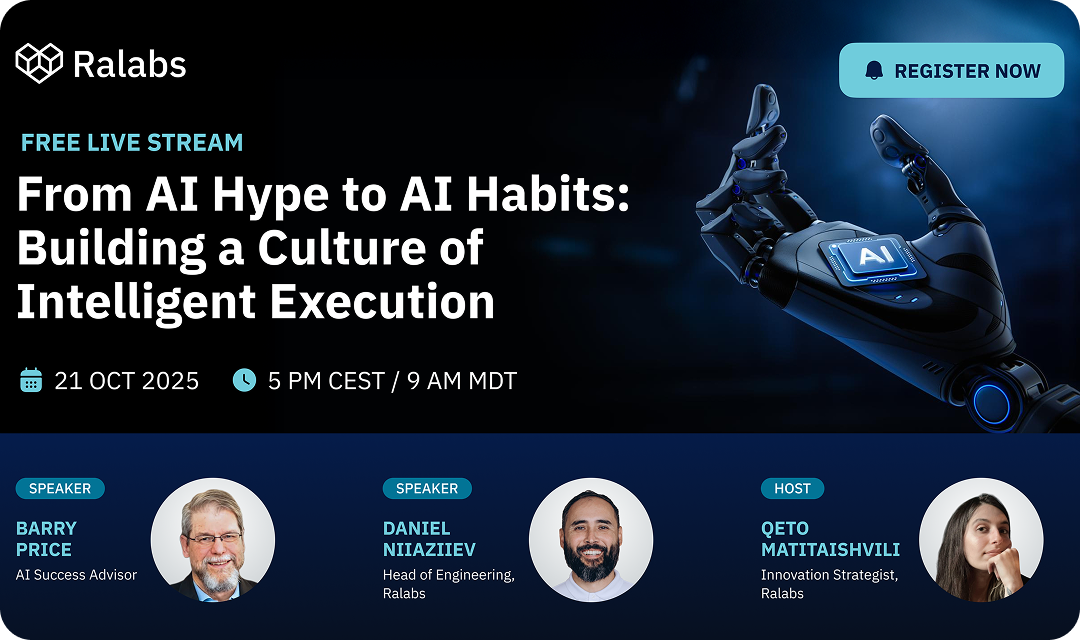
- On October 21, we hosted a live discussion, From AI Hype to AI Habits: Building a Culture of Intelligent Execution, with Barry Price, AI Success Advisor, and Daniel Niiaziiev. The session focused on how companies move from AI experimentation to daily intelligent execution: what drives adoption, the culture and leadership mindset behind it, and how to build a solid data foundation. Watch the recording.
👩🏼💼 HR Updates
- +7 new teammates joined Ralabs in September.
- The L&D program wrapped up, with strong contributions from internal speakers. New Business Acumen workshops followed, focused on negotiation, discovery, and client communication.
📈 Business Development
- We have a strategic session planned in November to set priorities for the next six months.
- Growing traction in AI-driven solutions, five active AI projects are in play.
- All Ralabs Data Engineering Services: compiled in one place. From ETL pipelines and real-time analytics to healthcare-grade compliance, this is where we show how we handle data at scale.
- Cognitive Design Systems Case: a redesign that introduced cognitive systems to improve engineering workflows. Worth a look if you’re thinking about faster onboarding, smoother collaboration, and a UI that matches the complexity of the domain.

💻 Coding Insights
- Campfire – 37signals, the team behind some of the best-known software products, has made one of the strongest team messengers free and self-hosted. A big shift in how collaboration tools are delivered. Details here.
- GPT-5 Codex is out. OpenAI says it was trained with a focus on real-world software engineering. According to them, it’s equally strong in quick interactive sessions and in powering through long, complex tasks. It includes a critical code review capability designed to catch bugs before they ship. And it isn’t tied to ChatGPT’s interface – it works where you develop: IDE, terminal, GitHub, web, even the iOS app.
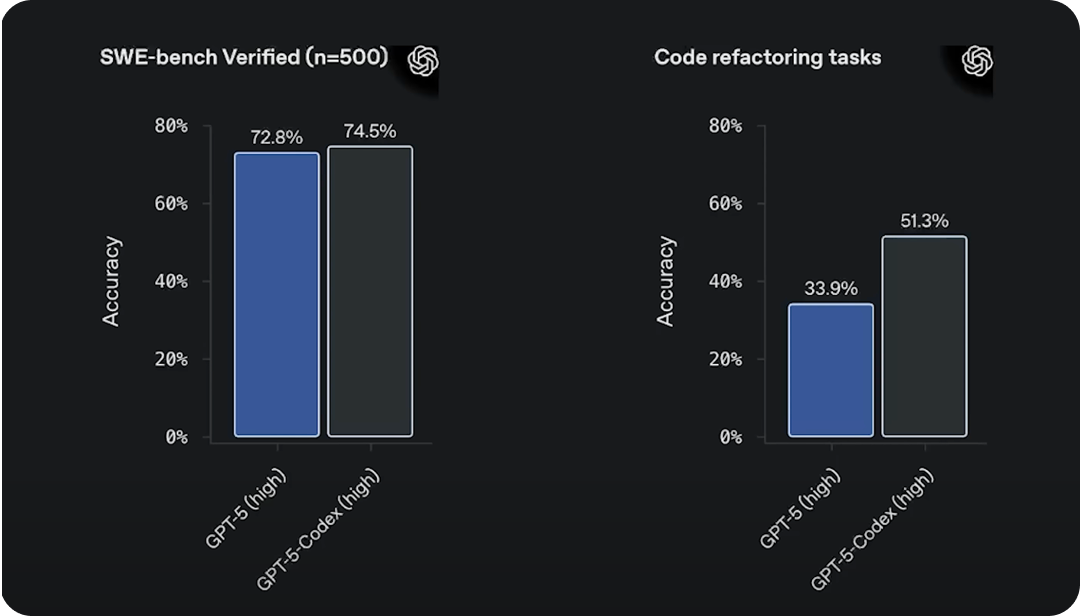
- SWE-bench that you see in the diagram above is a benchmark for testing how well AI models fix real software bugs. Each task provides a codebase and a real GitHub issue. The model must generate a patch. Evaluation spins up a Dockerized repo, applies the patch, runs the test suite, and marks the task “resolved” only if the tests pass.
- Claude Code has taken off since its general release in May. It’s now generating more than $500M in annual run-rate revenue, with usage growing over 10x in just three months. Here’s a rare look at how it’s built, and what that might mean for the future of software development with AI.
- 100 Tips to Write Clean Code: practical cheat sheet.
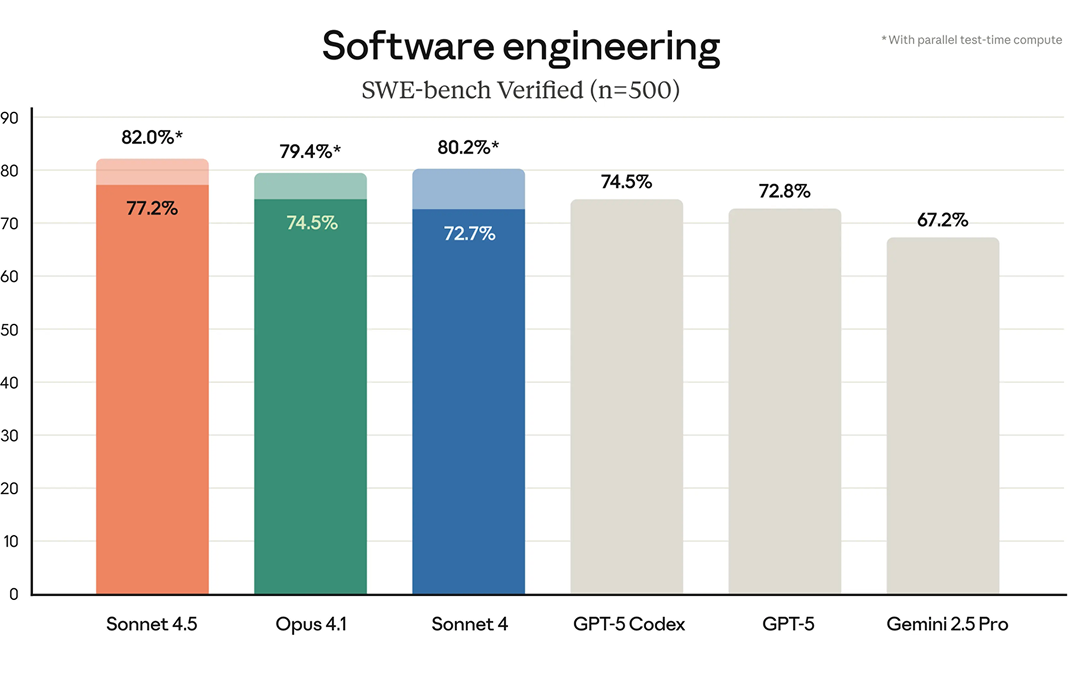
- Claude Sonnet 4.5: latest update with improved performance.
- Spec-Kit: CLI and templates for spec-driven development; haven’t tested it yet but looks promising.
- Cursor CLI: single-IDE workflow for JetBrains and Cursor users.
🤖 AI Developments
- AI coding tools are now standard: 85% of software engineers use them at work, according to the 2025 tooling survey. But tokens aren’t cheap, and spend is rising. The question is how companies measure whether the tools are worth the money. Find out here.
- How AI is Changing Tech Interviews: big tech is pushing harder questions, startups are simplifying, and vibe coding internal tools is on the rise.
- Healthcare platforms today are expected not only to deliver insights but also to protect sensitive patient data. Across Europe, the Middle East, and the US, predictive models are being embedded into electronic medical records, hospital operations, and population health strategies. Find out how AI is transforming patient care from Ralabs.

- How AI Is Changing Search Behaviors: user search patterns are already shifting.
📚 Books and Reading
- Usually I keep two books on rotation: one for the day and one before bed. September was heavy on travel, so it was just the evening read:
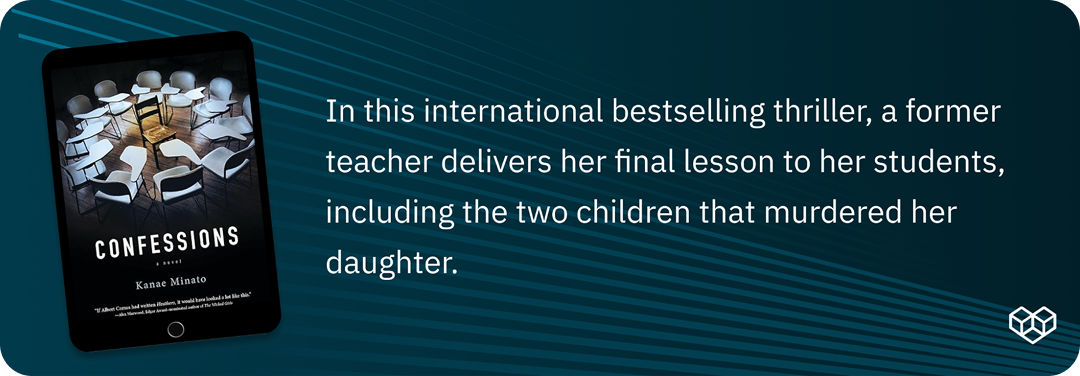
- Confessions by Kanae Minato – a Japanese thriller that traces the fallout of a schoolteacher’s revenge. It deals with motherhood, power, and social issues like AIDS and hikikomori. The writing style is sharp, direct and dialogue-driven, closer to Albert Camus than to traditional thrillers. A strange choice before bed, but a compelling read.
💡 Thoughts
- Vibe coding is no longer a niche term. More and more developers are letting AI assistants handle writing, refactoring, and debugging so they can focus on describing what they want built instead of rolling up their sleeves. That’s the pitch.
Marco Benedetti, a veteran coder with 40 years in the game, decided to put it to the test. Over two weeks and 40 hours of pair programming, he built a 5k-line Python project implementing textbook AI search algorithms with nothing but LLM coding assistants inside Cursor. The full code and write-up are here: github.com/mabene/vibe.
His experience highlights both the upside and the cost. The AI assistants were stunningly fast and precise, catching subtle issues, proving properties, and generating idiomatic Python at scale. But they also slipped in hidden bugs, over-engineered solutions, and made architectural decisions you’d never accept from a junior engineer without review. It worked, but only because he constantly evaluated, redirected, and fixed what the AI produced. That’s the real lesson. Vibe coding is a new workflow. Treat AI output as draft code, not production. The productivity gains are real, but so is the need for senior oversight.
How are you approaching this in your teams? Are you building guardrails for AI-generated code, or still shipping first and fixing later?
💼 Open Positions at Ralabs
- Senior QA Engineer
- Middle iOS Engineer
- Middle/Senior Vue.js Engineer
- QA/AQA JavaScript Specialist
- Node.js/MongoDB Engineer
- Accountant
- Senior Devops Engineer
- Senior Angular Engineer with SDK experience
- Software Architect (Node.js/Python)
- Data Engineer
- Senior Node.js Engineer
- Middle HR Specialist
- Senior Go Engineer
- Frontend Angular Engineer
- Middle Go Engineer
🔍 Other Noteworthy Mentions
- Dayflow: new tool for daily workflows. Interesting idea, but keep in mind how it works: your entire laptop activity flows through an LLM. Cool experiment, but not something I’d use if data privacy is a concern.
- Modular Monolith: analysis on combining monolith and microservice benefits.
- Raspberry Pi 500+: a $200 all-in-one PC that’s both practical and nostalgic, “a love letter to the machines of our childhoods.”
- The Management Skill Nobody Talks About: on the overlooked skill that shapes effective teams.
- Serverless Horrors: real-world mistakes in serverless deployments, useful for cost control.

- Have you heard about AI Imposter Syndrome? This article discusses how engineers are adapting to the “10x with AI” hype.
- Ghost 6.0 Release Notes: major CMS update, important for anyone running on Ghost.
- CLI Security Alert: Claude Code CLI and Gemini CLI were compromised to steal credentials.
- Telemetry Harbor: why they rewrote an ingest pipeline from Python to Go.

If you found this update helpful, feel free to share it with others. My newsletter is also published as a blog on our website – Ralabs Blog. You can now read the previous updates there.
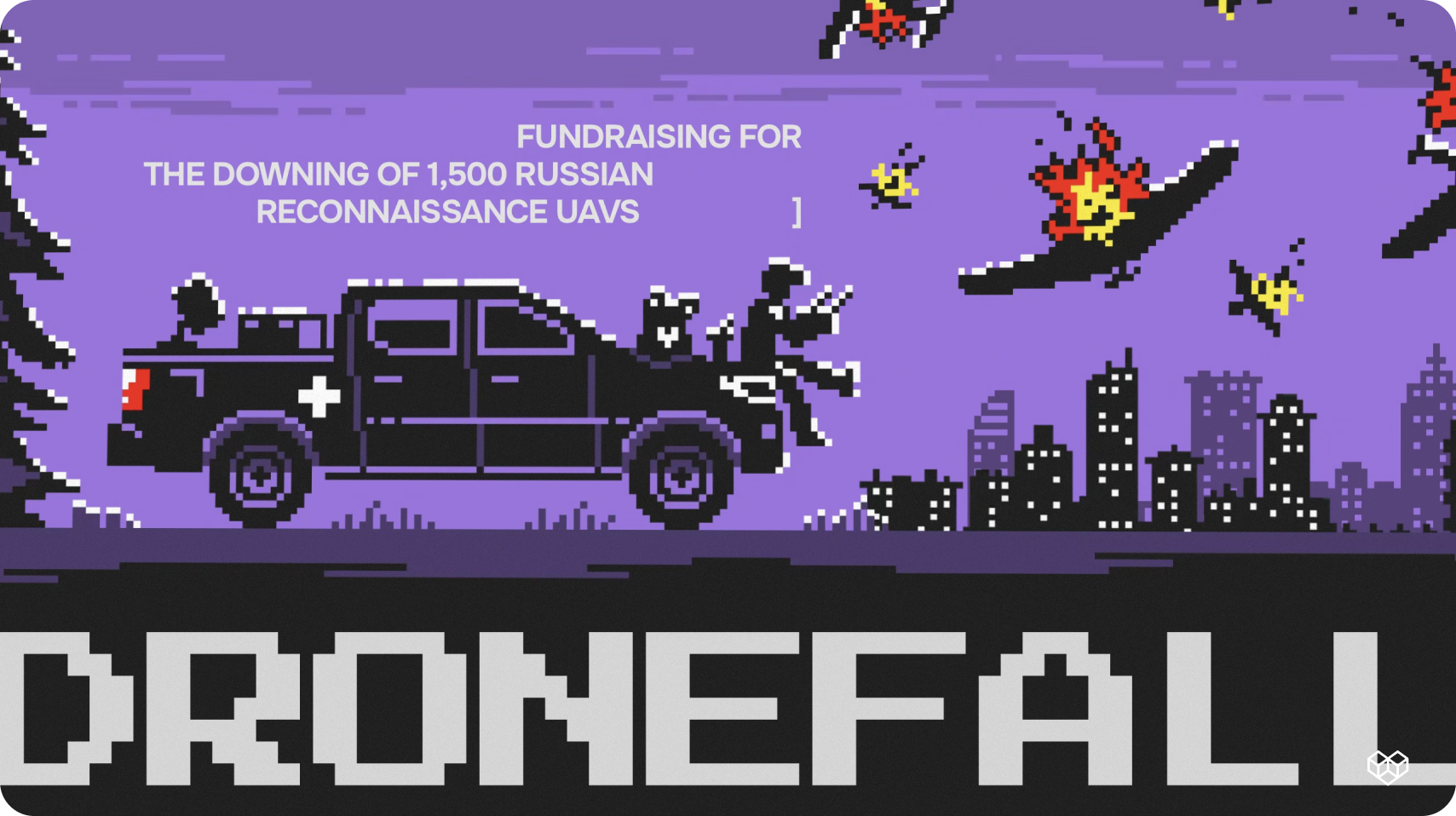
Lastly, as a company with deep Ukrainian roots, we continue to seek your support for Ukraine during these challenging times. Every contribution makes a difference.