Services:Custom Software Development ● Front-End Development ● Project Management ● UI/UX Design
Tech stack:Django API ● Electron ● Figma ● Git ● JavaScript ● ReactJS ● Three.js
Dedicated team behind the project
Ganna
Project Coordinator
Christy
UI/UX Designer
Tetiana
UI/UX Designer
Yuliia
Graphic Designer
Vadym
React Developer
The client
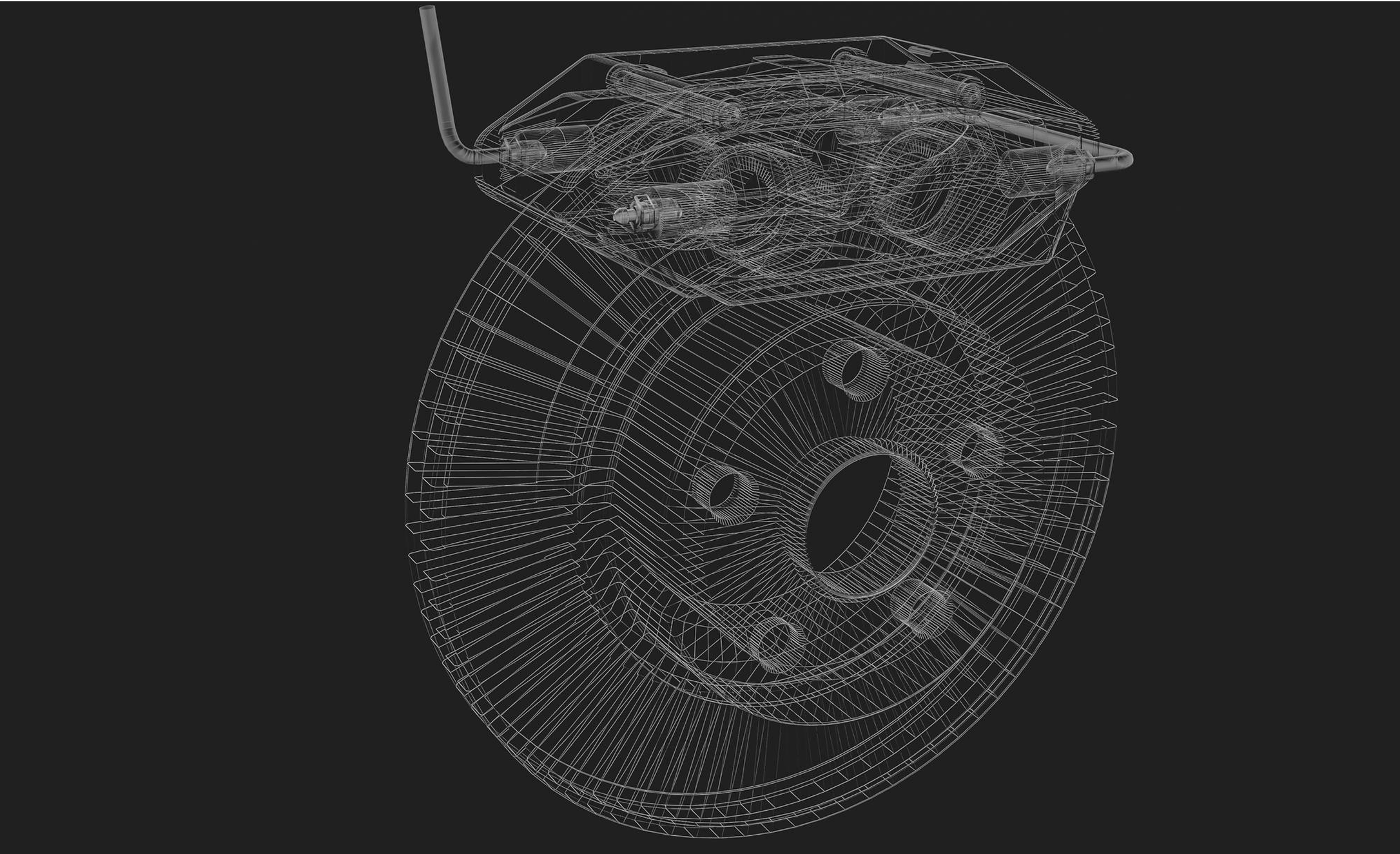
Cognitive Design Systems provides an AI-powered concurrent engineering platform that accelerates the development of high-performance, manufacturable, and sustainable products.
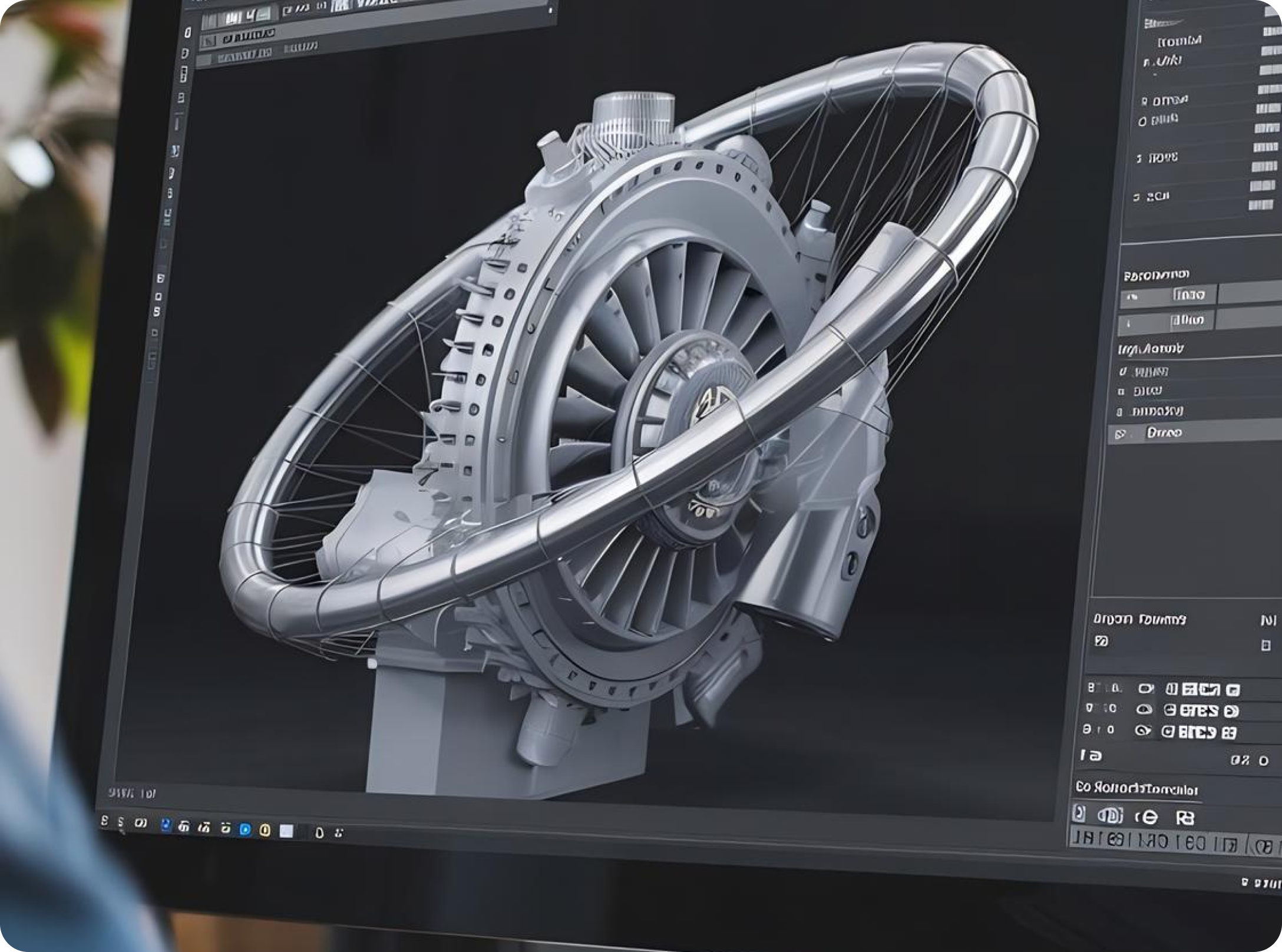
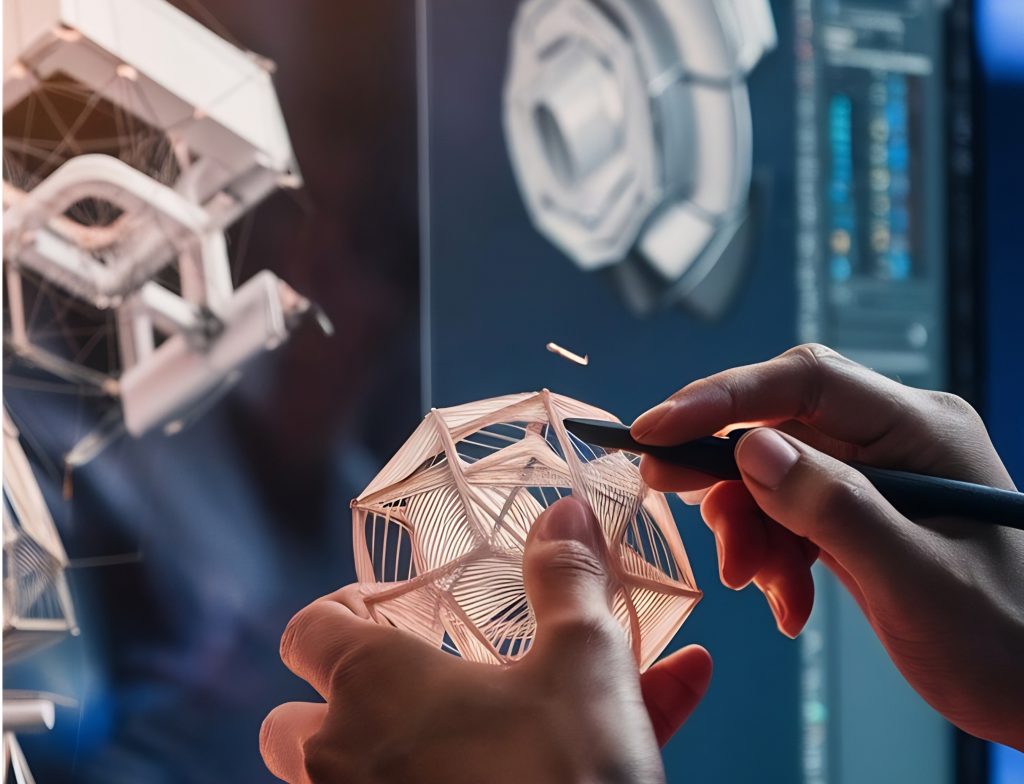
The platform integrates a next-generation geometric kernel based on implicit modeling, advanced parametric workflows, manufacturing automation modules, and AI-driven generative optimization. This allows engineers to overcome traditional CAD limitations and streamline the process of 3D manufacturing.
Client achievements:
€2M capital raised in 2024
Cognitive Design Systems secured €2M in funding, enabling the company to accelerate product development and strengthen its position in the manufacturing software market. Read more.
New brand identity
In 2024, CDS unveiled a modernized brand identity, reflecting its technological focus and improving recognition among clients and partners. Read more.
Product innovation
The company introduced Cognitive Design, a next-generation solution that revolutionizes CAD by combining seamless design optimization with manufacturability analysis.
The challenge
Cognitive Design Systems needed to transform their platform into a product that could compete on usability and clarity, not just advanced engineering features. While the technology behind the tool was powerful, the user experience lagged behind competitors, creating friction for adoption and limiting the company’s growth potential.
The existing platform was not user-friendly. Users struggled with navigation and often preferred competitor solutions with better UX.
Data visualization was weak, making it difficult for non-technical managers (a key target group) to interpret results.
Several hidden usability issues limited adoption and slowed onboarding.
CDS required a fully working,modernized front-end before the miltech conference in France (June 2024), where they planned to showcase the updated platform.
What was done
Ralabs conducted a full design audit, including stakeholder and user interviews, competitor analysis, and UI/UX reviews. Based on the findings, we redesigned user flows and created a dark-theme design system.
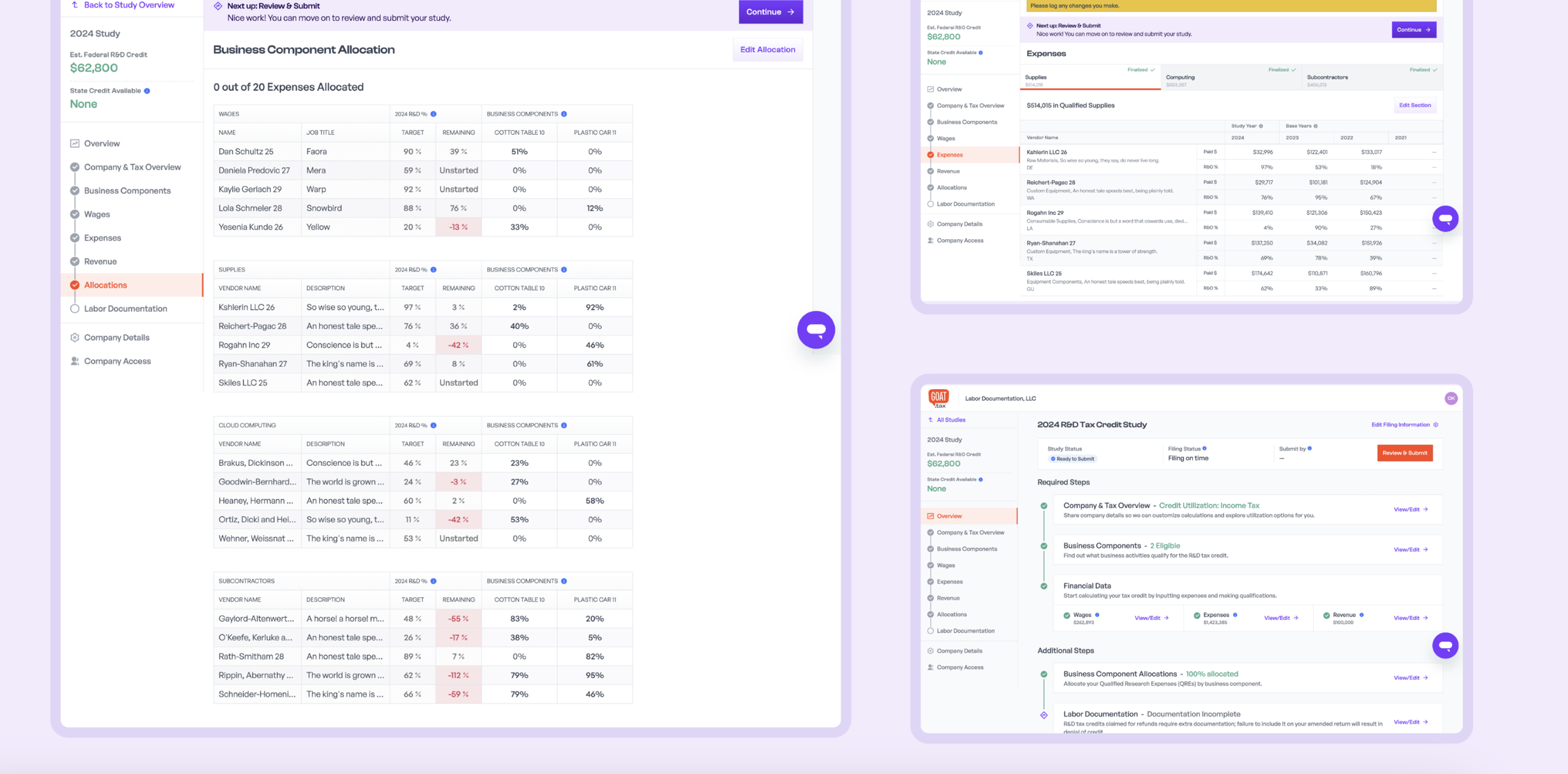
A clickable prototype was built, followed by front-end implementation of key modules such as navigation, project setup, data input, computation, and results visualization.
The final dashboard included:
3D model viewers
Cost analysis tools
Scatter plots
Batch visualizations
Comprehensive KPI tracking
Implemented features:
01
Design audit
Stakeholder interviews to collect requirements and expectations.
Competitor analysis to benchmark UX and functionality.
User interviews to identify main pain points.
Expert design review of layout, color scheme, typography, and accessibility.
User personas to represent different user types and goals.
Customer journey mapping (CJM) to highlight friction points.
Updated user flows to simplify navigation and task completion.
02
User interface development
Homepage navigation as a central hub for projects.
Project creation & loading streamlined.
Input page for parameter setup and file selection.
Production line definition & validation tools.
Orientation strategy & validation module.
Computation interface to run simulations.
Results & 2D graph page with interactive KPI display.
Dashboard with 3D model viewers, cost charts, scatter plots, and batch visualizations.
KPI tracking across general, manufacturing, cost, and part metrics.
03
UX & UI design
Redesigned user journeys for intuitive interaction.
Built wireframes and interface layouts.
Developed a dark-theme branding and design system.
Delivered a clickable prototype for validation.
Results
01
Modernized interface
The platform received a redesigned interface that streamlined navigation and project setup, making it more intuitive for users.
02
Enhanced data visualization
Interactive 2D and 3D tools, including scatter plots, model viewers, and cost charts, made complex data easier to interpret.
03
KPI-driven insights
Comprehensive dashboards now provide clear tracking of general, manufacturing, cost, and part KPIs, supporting faster and more informed decision-making.
04
Improved workflow efficiency
Updated flows reduced user friction and increased usability, allowing users to complete tasks more efficiently.
05
Aligned visual identity
The new dark-theme design system matched CDS’s updated brand identity, ensuring a consistent and professional look across the platform.
Cognitive Design Systems: redesign of engineering platform
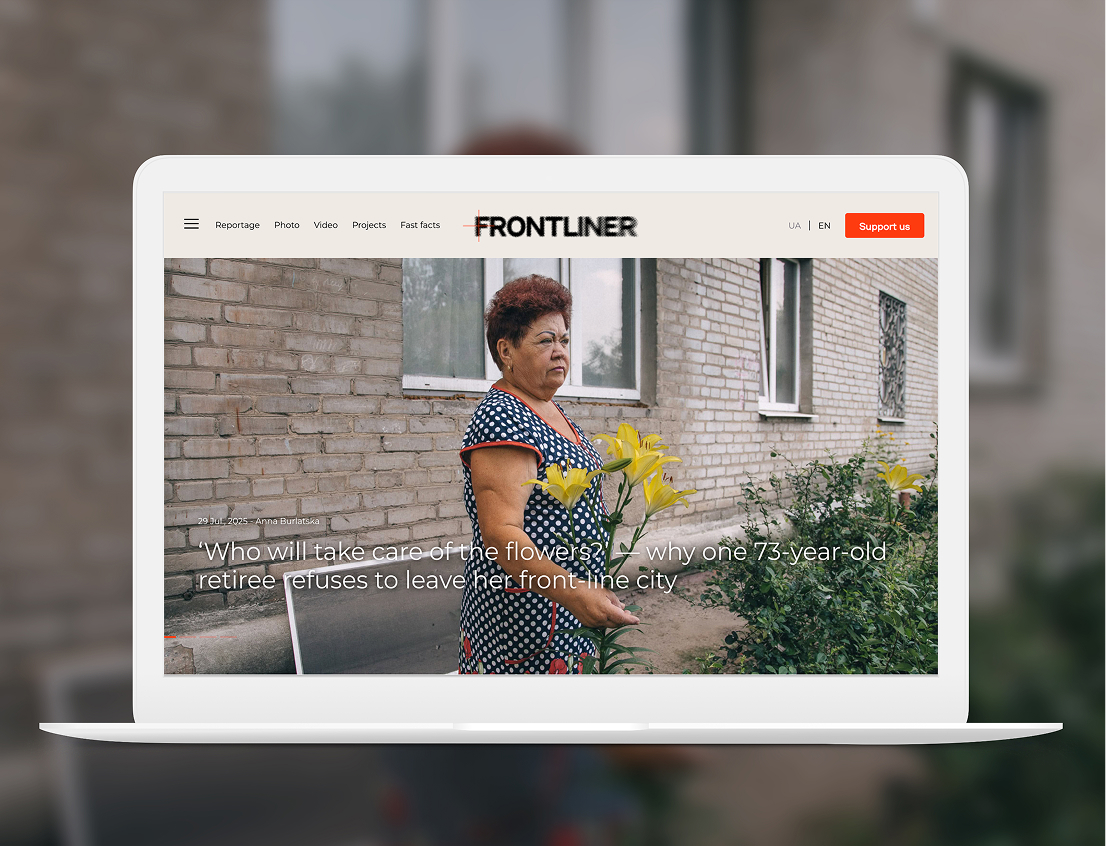
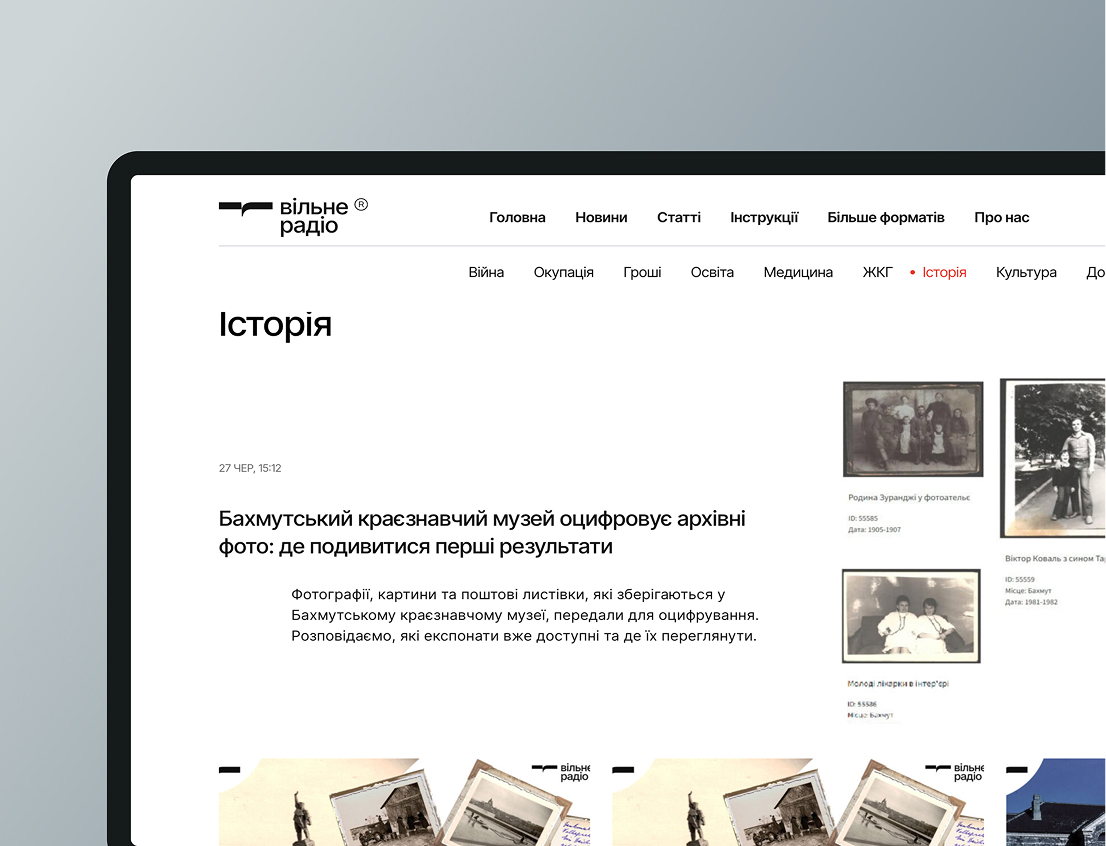
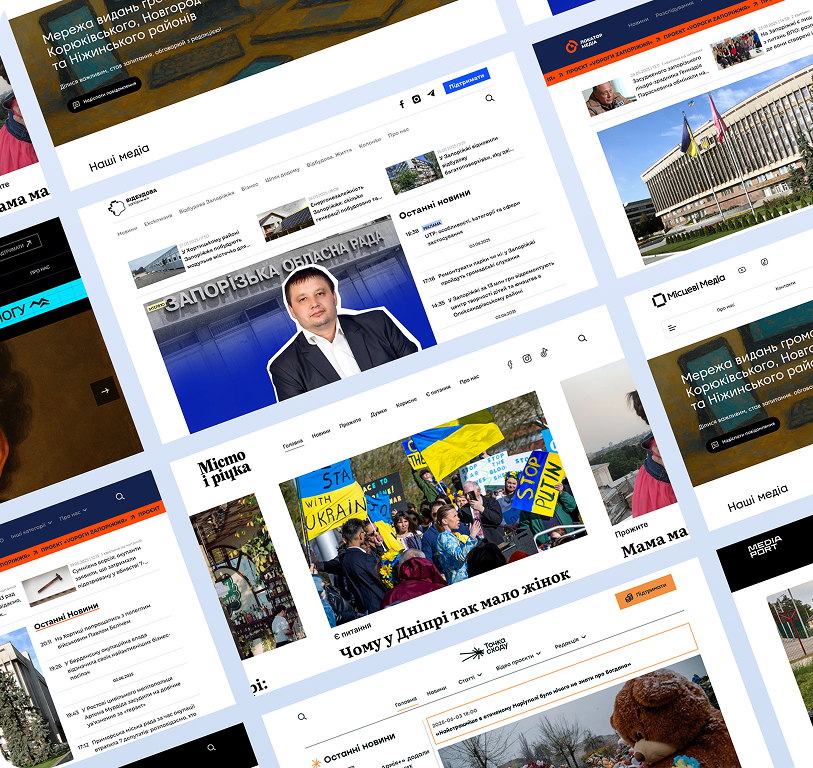
Ralabs migrated a legacy media platform to a modern WordPress-based system, designing a modular theme and automating content workflows to improve speed, editorial control, and long-term stability.
Ralabs migrated a legacy media platform to a modern WordPress-based system, designing a modular theme and automating content workflows to improve speed, editorial control, and long-term stability.
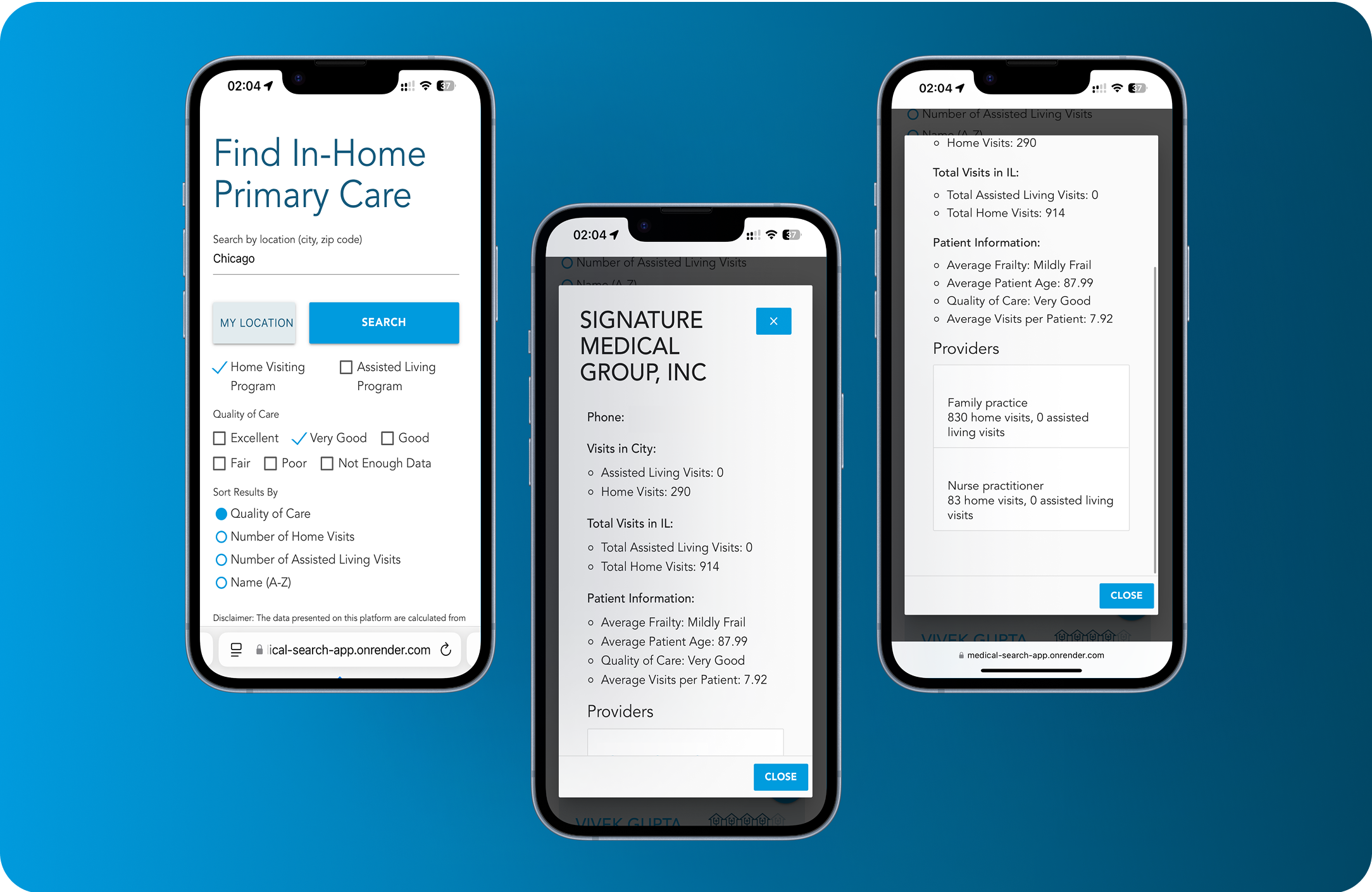
Smart Medical Search Platform for Home Visit Doctors
We launched an MVP in just one month with real‑time geolocation, Medicare data integration, and mobile‑friendly search across 100K+ practices and 200K+ providers — all under 500 ms.