
Introduction
As data volumes explode, healthcare organizations face mounting challenges around privacy, interoperability, and AI adoption.
Every hospital today sits on a mountain of information. From electronic health records and imaging archives to genomics, wearables, and billing systems, healthcare has become one of the most data-intensive industries on Earth. Yet for all that abundance, most of it remains locked, lost, or dangerously underused.
The healthcare sector now produces roughly 30% of the world’s data, and it’s growing faster than any other field — about 36% per year, according to RBC Capital Markets. The result is a paradox: more data than ever, but less clarity than the system desperately needs.
What should have been healthcare’s greatest strength has turned into its weakest link.

Fragmented systems, fractured truth
Every patient leaves a digital trail scattered across hospitals, labs, insurers, and devices. Each institution maintains its own schema, identifiers, and codes. A diagnosis entered in one hospital may not match the same patient’s record at another. Even within a single network, formats diverge.
Identity management — keeping patient, provider, and data identities consistent over time — remains one of healthcare’s most difficult tasks. When systems fail to align, decision-makers are left piecing together fragments, often too late to act.
The problem is not new, but the stakes are higher than ever. Fragmentation delays treatments, confuses billing, and makes predictive analytics unreliable. For a sector moving toward value-based care and AI-assisted medicine, fractured truth is a luxury no one can afford.
The quality trap
Having data isn’t the same as trusting it. Clinical and administrative datasets are riddled with duplicates, missing fields, and inconsistent codes. A patient’s name changes, a lab adopts new identifiers, an algorithm updates without notice and suddenly an entire cohort becomes statistically invisible.
A 2024 PMC study found that persistent data quality problems still block the effective use of administrative and clinical datasets. Hospitals spend millions cleaning and reconciling data before it can even be analyzed. Poor quality doesn’t just distort insights; it corrodes trust.
Once clinicians doubt their data, they start relying on anecdotes, not evidence. And when that happens, the digital revolution loses its purpose.
The weight of scale
Healthcare data is vast not only in volume but in variety. Imaging files, waveform signals, wearable sensor streams, genomic sequences — each carries unique formats, time stamps, and privacy rules. Most legacy infrastructure wasn’t built for this.
Process analytics in healthcare must cope with constantly changing, high-dimensional datasets that traditional systems can’t handle efficiently. Many hospitals still rely on nightly batch jobs to move terabytes across on-premises servers, while real-time decision-making demands milliseconds.
As a result, vital data sits idle in silos. The industry’s challenge isn’t producing information; it’s catching up to the speed at which it already moves.
Security under siege
Few industries face cyberthreats as relentlessly as healthcare. Each electronic health record carries names, birth dates, Social Security numbers, and insurance details can be a jackpot for criminals.
In 2024, the Change Healthcare ransomware attack exposed how fragile the system can be. Hackers encrypted systems, stole six terabytes of data, and disrupted claims processing across the United States. The impact reached 190 million people, with UnitedHealth ultimately paying a $22 million ransom, as reported by Wired and the American Hospital Association.
Hospitals reported weeks-long payment delays and canceled treatments. In congressional testimony, officials revealed that a single server lacked multifactor authentication — the weak point attackers exploited.
Hospitals reported weeks-long payment delays and canceled treatments. In congressional testimony, officials revealed that a single server lacked multifactor authentication — the weak point attackers exploited.
Such incidents aren’t isolated. The HIPAA Journal recorded 725 major breaches in 2023, compromising 133 million records. Ransomware has become a permanent part of healthcare’s threat landscape.
Governance and the ethics of data use
Regulation in healthcare isn’t an obstacle; it’s a backbone. Frameworks like HIPAA in the U.S. and GDPR in Europe define how personal health information can be collected, stored, and shared. Yet compliance alone doesn’t guarantee trust.
A 2024 conceptual framework by Faridoon and Kechadi argues that privacy, security, and governance must function as one integrated discipline. Treating them as separate silos, the authors write, weakens the entire chain.
Ethical expectations now stretch beyond data handling. As AI begins influencing clinical decisions, transparency and explainability are becoming moral imperatives. A physician must understand how an algorithm reached its conclusion. If that reasoning hides inside an opaque model, trust collapses, and so does accountability.
When AI meets messy data
Every hospital wants AI-powered insights, but few are ready for what that requires. Data in healthcare is rarely neat: it lives in scanned PDFs, physician notes, audio dictations, and highly specialized imaging files.
Some research highlights that without metadata and semantic alignment, health data repositories often devolve into “data swamps”. The missing ingredient isn’t computing power but context.
Federated learning, a promising method that allows hospitals to train shared models without exchanging raw data, could help. Yet as a 2024 analysis explains, it still faces practical barriers such as non-uniform datasets, high communication costs, and synchronization issues. Until those are solved, AI remains limited by the same flaws as the data it feeds on.
What progressive teams do differently
The best healthcare technology teams start by assigning ownership. Instead of one massive warehouse, each department becomes the steward of its own “data product,” complete with quality standards, access policies, and interfaces. It’s a model known as data mesh, and it’s changing how complex organizations think about integration.
They design around shared vocabularies like FHIR, SNOMED, and LOINC, which bring consistency to medical terminology. They log every record’s lineage — who entered it, when, and how it changed — to ensure accountability.
Modern architecture often blends on-prem and cloud systems. Sensitive data stays behind hospital firewalls, while anonymized aggregates move to public clouds for analytics. Security is built on the principle of zero trust: verify everything, encrypt everywhere, and minimize privilege.
Governance lives in the workflow, not in a binder. Consent management, audit trails, and retention rules run as code, not policies taped to the wall.
The result is not perfection, but progress: cleaner data, faster analytics, fewer blind spots.
Healthcare case studies

Team size: 4 developers
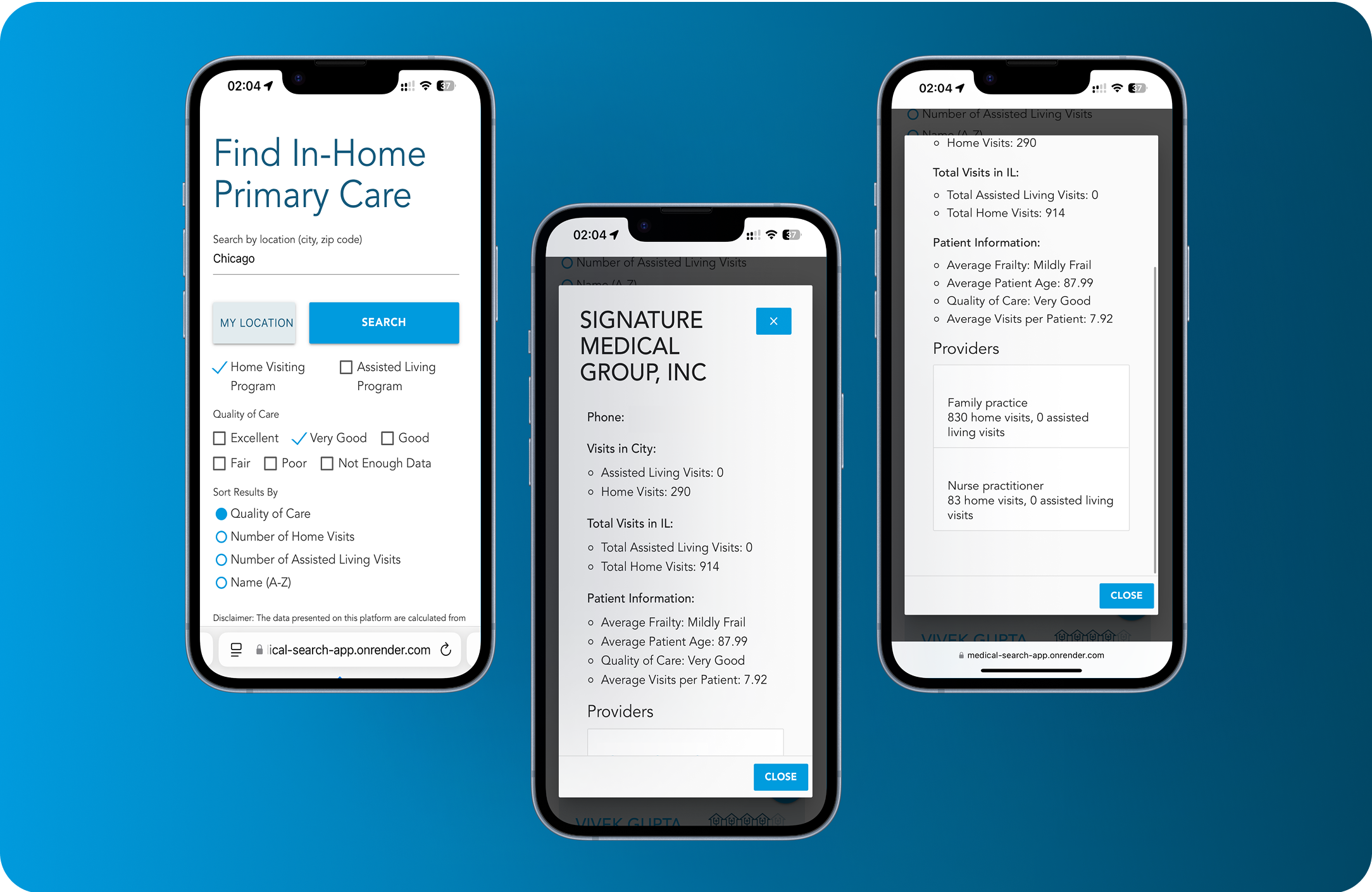
Team size: 3 developers
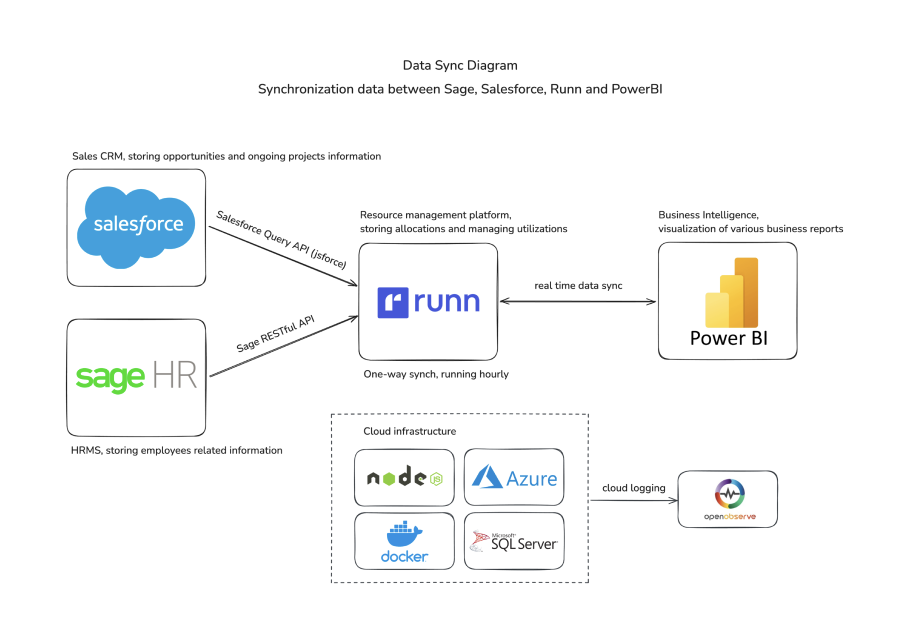
Team size: 5 developers

Team size: 4 developers
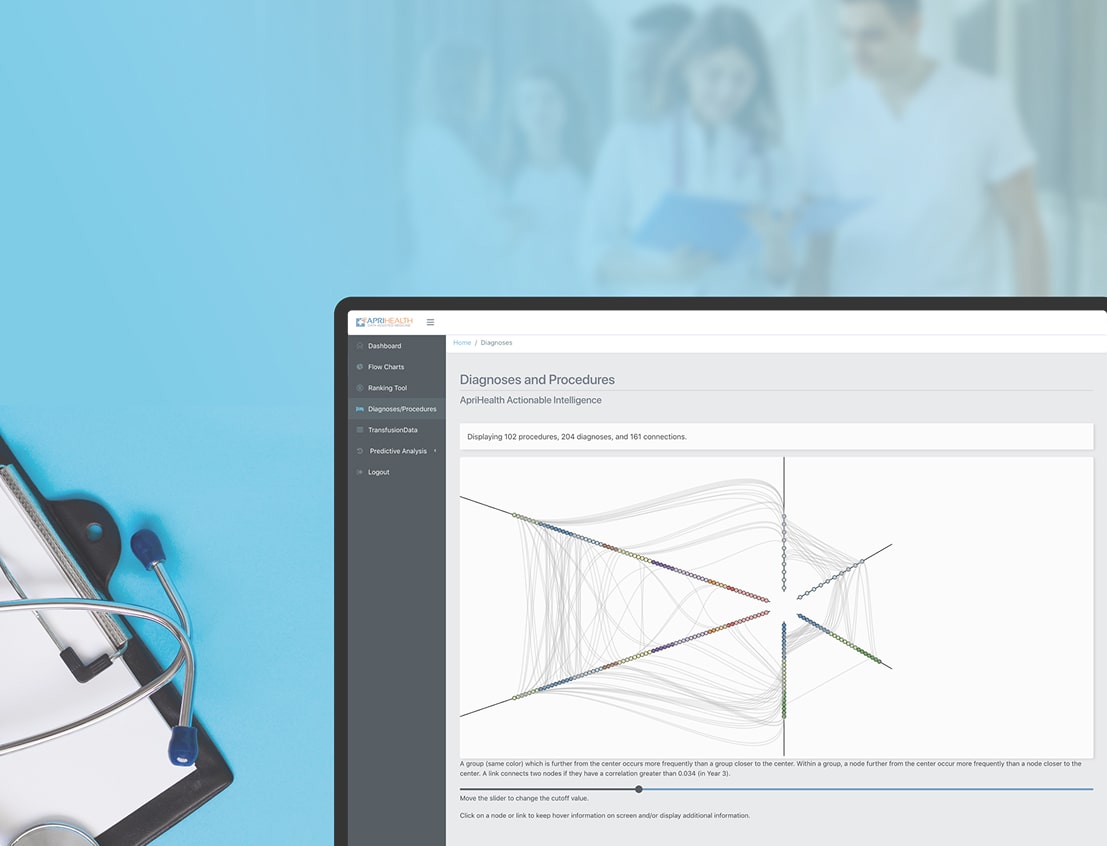
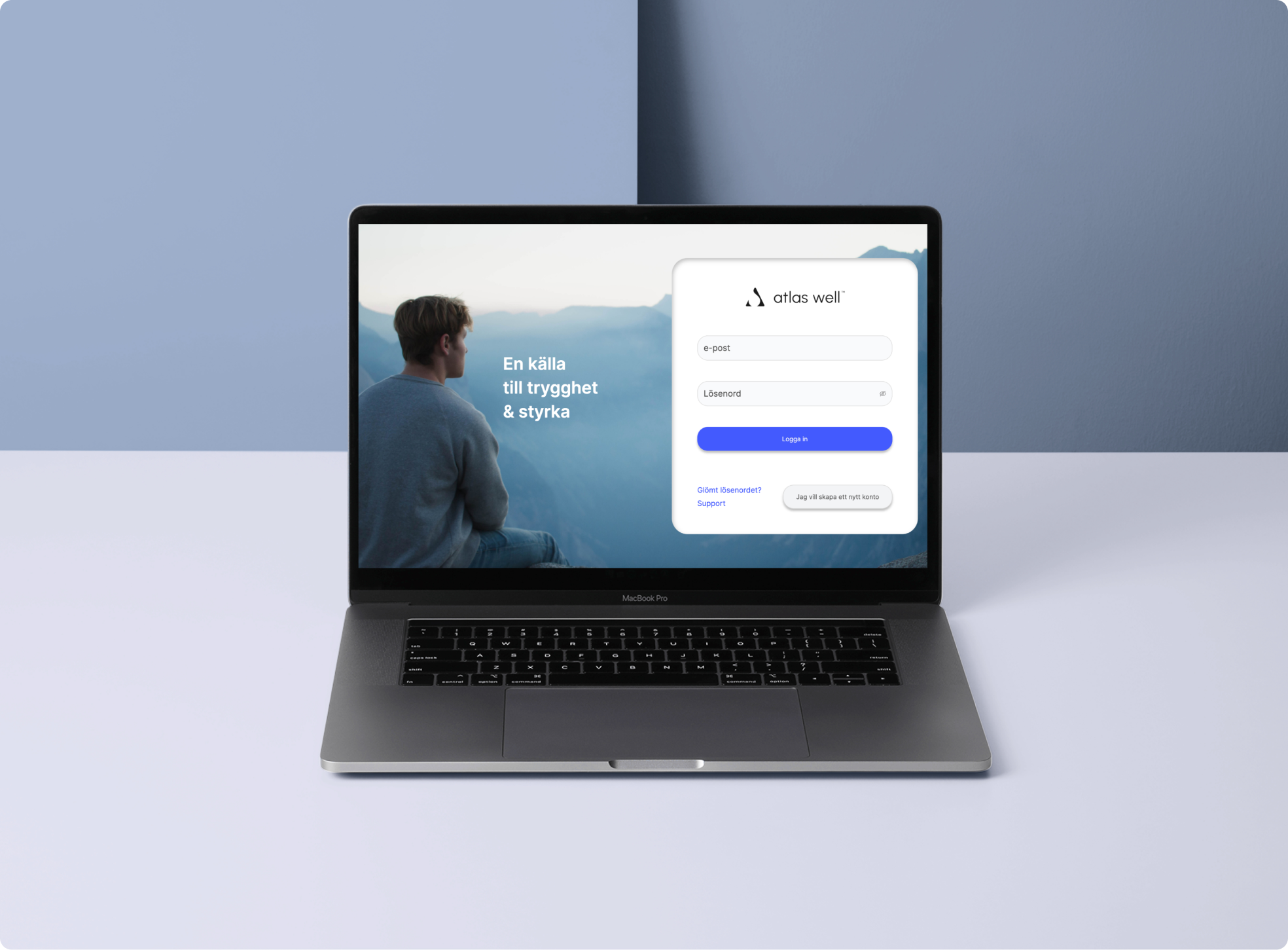
Team size: 4 developers
How Ralabs turns data into discipline
Through our data engineering practice, we build pipelines that make healthcare data consistent, secure, and compliant from day one. Our engineers handle hybrid environments — on-prem systems that must talk to cloud analytics — and create structures where data lineage and validation happen automatically.
For example, in the past we partnered with a healthcare client to optimize patient care by leveraging AI and machine learning to streamline the patient data integration process. By designing an architecture that reconciles and unifies fragmented data sources, we ensured all patient information, from clinical notes to imaging, was properly aligned. Our work directly addressed fragmented systems and inconsistent data issues, enabling faster decision-making by healthcare providers.
In parallel, our AI and machine learning practice transforms that clean data into usable intelligence. We design models that respect privacy, comply with HIPAA and GDPR, and operate safely in real clinical settings. From natural language processing of patient notes to predictive algorithms for care pathways, every solution is tested for transparency and explainability.
Working across the healthcare spectrum, we’ve learned that trust doesn’t come from firewalls or slogans. It comes from how systems are built: small steps, verifiable logic, and constant alignment between engineers, clinicians, and compliance officers. That’s how data becomes an asset rather than a liability.
The path forward
Healthcare’s data revolution isn’t about quantity anymore. It’s about maturity: knowing how to turn overwhelming volume into meaningful, secure, and actionable knowledge.
The next breakthroughs will come from teams that treat governance as culture, not compliance; that embed privacy into architecture; and that see AI not as decoration but as responsibility.
If healthcare’s digital backbone is rebuilt on those principles, the data flood will finally start working for patients instead of against them.
Ready to take the next step in optimizing your healthcare data strategy?
At Ralabs, we specialize in turning fragmented, underused healthcare data into valuable, actionable insights that drive real change. If you’re ready to unlock the full potential of your healthcare data, contact us for a consultation on how our data engineering and AI solutions can transform your organization’s data landscape.