
Hello, Fellow Tech Enthusiasts! 
Here’s what’s been happening across Ralabs and the industry this month.
📊 Focus & Insights
- We’ve continued rolling out AI tools across projects — some wins, some friction, but so far, clients are happy with the results. We’re planning to lean in harder over the next few months.
- One thing we’ve been observing across briefs and calls – What clients are building right now:
Domains → LMS platforms, recruitment systems, fintech workflows, rental marketplaces
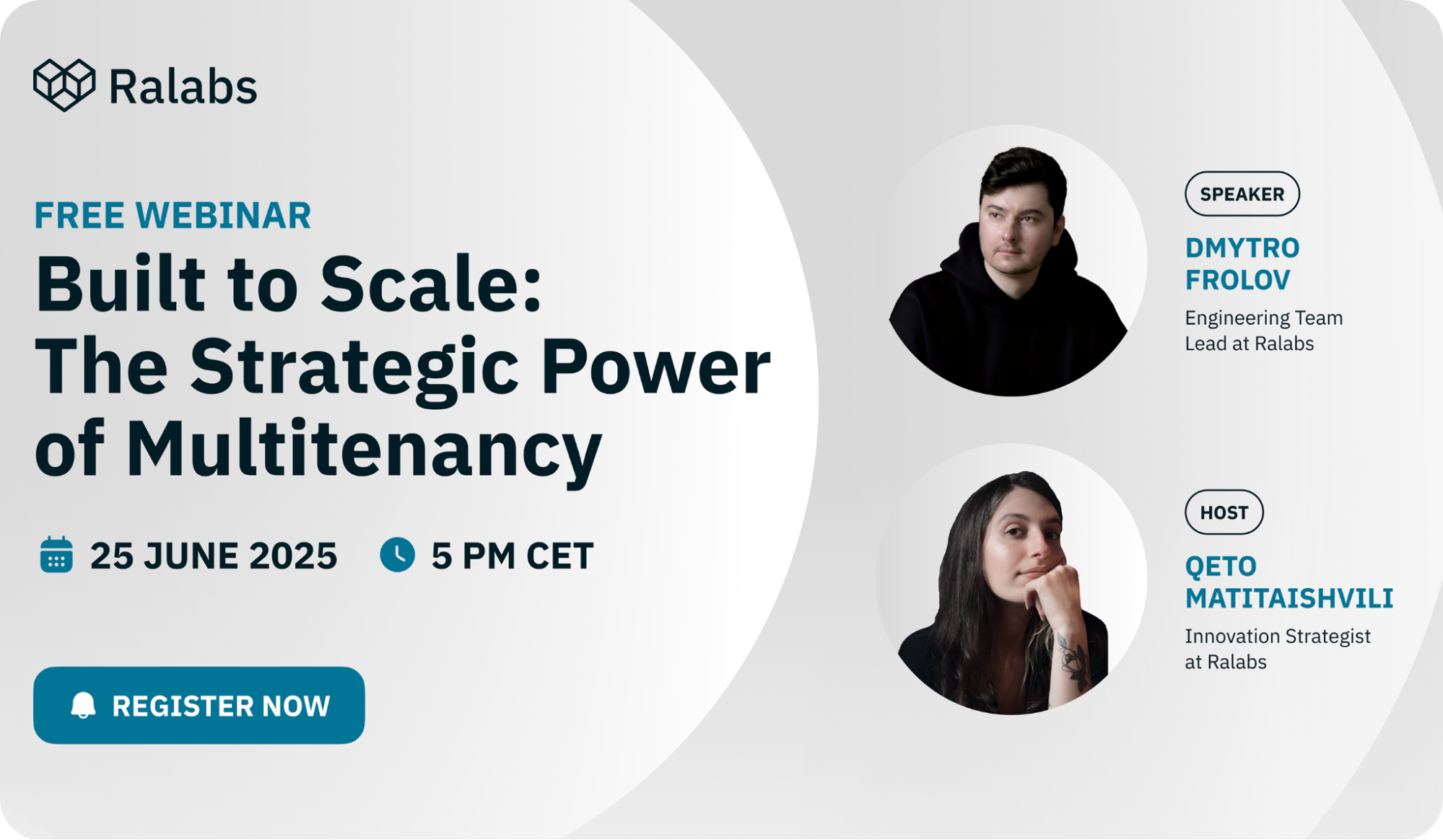
Tech → Python, Data engineering, Azure, AWS, AI/ML, React Native PWA. - Check out our Tech Talk on scaling multi-tenant platforms. On June 25 at 5PM CET, our Innovation Strategist Qetol hosted a live session with Engineering Lead Dmytro Frolov. They walked us through how a multi-tenant B2B platform scaled from 800K to 2.2M+ users. Watch the recording here.
- Our Head of Engineering, Daniel, and Senior Business Development Manager, Mariia, visited the TNW conference in Amsterdam last week. They joined the CTO panel, caught up with product leads, and swapped notes on AI, platform engineering, and healthcare tech. You can find more on their LinkedIn.

👩🏼💼 HR Updates
- We welcomed six new team members in June.
- This month we ran three internal sessions:
Test Design Techniques, How to Create Presentations for Tech Talks, Desk Yoga & Stretching: How to Avoid Back Pain and Stay Active.
📈 Business Development
- In June, we ran a self-survey with our tech leads and management teams. The goal was simple — highlight key business topics to help the team better understand what matters to clients. The top themes that came up: expectation management, cost transparency, and knowing when to push back. We’re shaping our internal L&D sessions around these in the coming months.
- AI-generated search results are changing how users find content and products. We published a breakdown of what’s shifting and how to respond: Google’s AI Mode is Rewriting the Rules of Search
- Another read worth your time: Why Fintech Needs Smarter AI Agents Now – what AI can and can’t do, and what humans still have to own.

💻 Coding Insights
- Cursor has grown 100x in load in a year and now handles over 1M QPS for its data layer. If you haven’t read the deep dive with cofounder Sualeh Asif, it’s worth your time.
- Everything You Need to Know About Cache Strategies.
- Were we all using Git the wrong way? Found an insightful YouTube video discussing how to make Git work for you.
- One shift worth watching: traditional dev tools are quietly getting replaced. Agentic coding is killing off parts of the old stack — no IDE, no setup, just console-first workflows. You prompt, it builds. You review, it ships. This lets developers work faster, be more ambitious, and have more fun. Read more.
- Supabase – diagram and model your DB visually.
- Oxlint just hit its first stable release. It’s showing 50–100x faster performance than ESLint, supports 500+ ESLint rules, and is already in use at places like Shopify, Airbnb, and Mercedes-Benz. Read more.
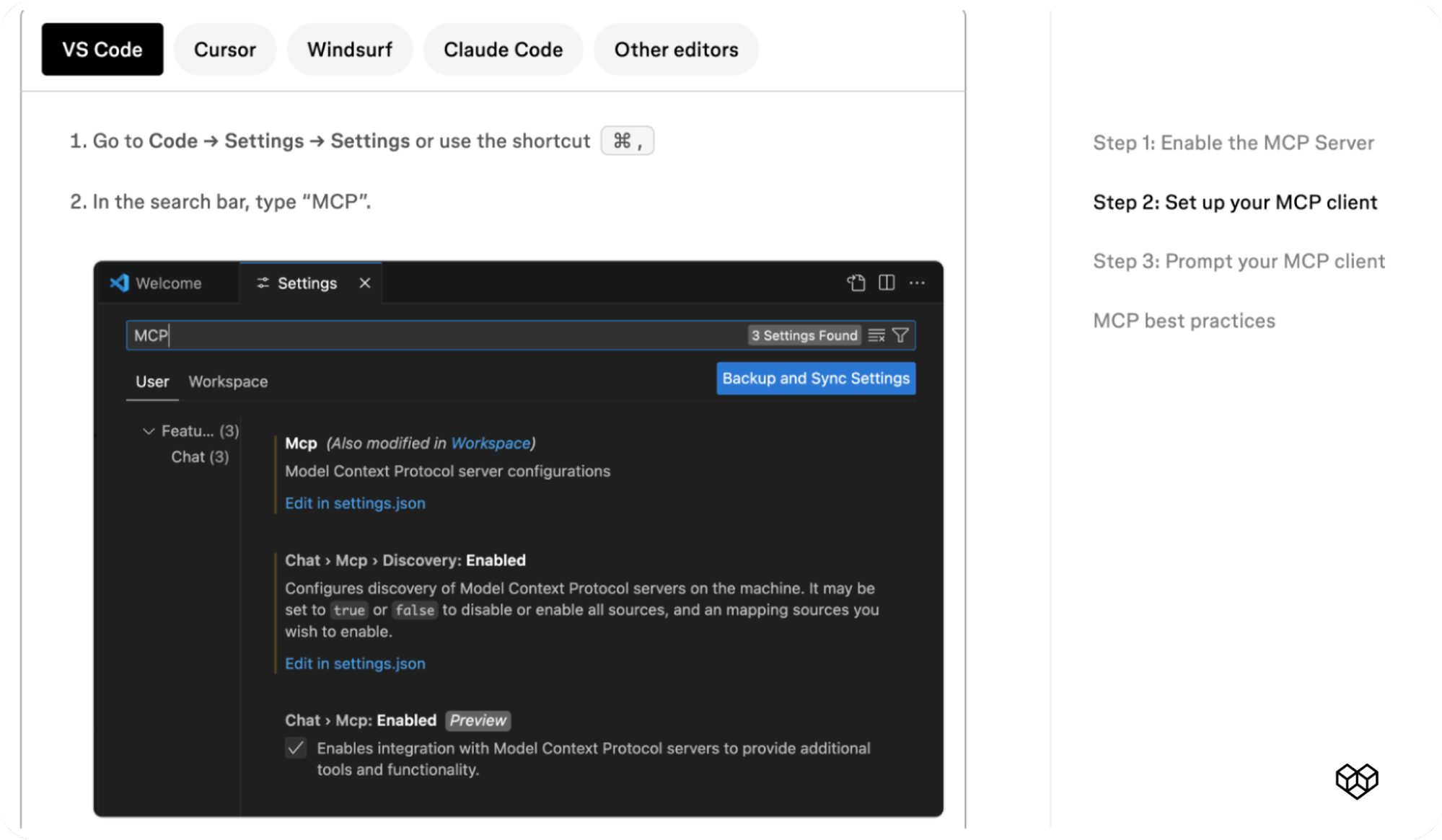
- Dev Mode MCP Server brings design context directly into codegen flows via agents (VS Code, Cursor, Claude Code).
- Rivet – rewritten in Rust for faster serverless route handling.rd — to support the hyper-specific needs of building a serverless platform.
- Fang – CLI starter kit with polished output.
- Unregistry – rsync-like Docker image registry.
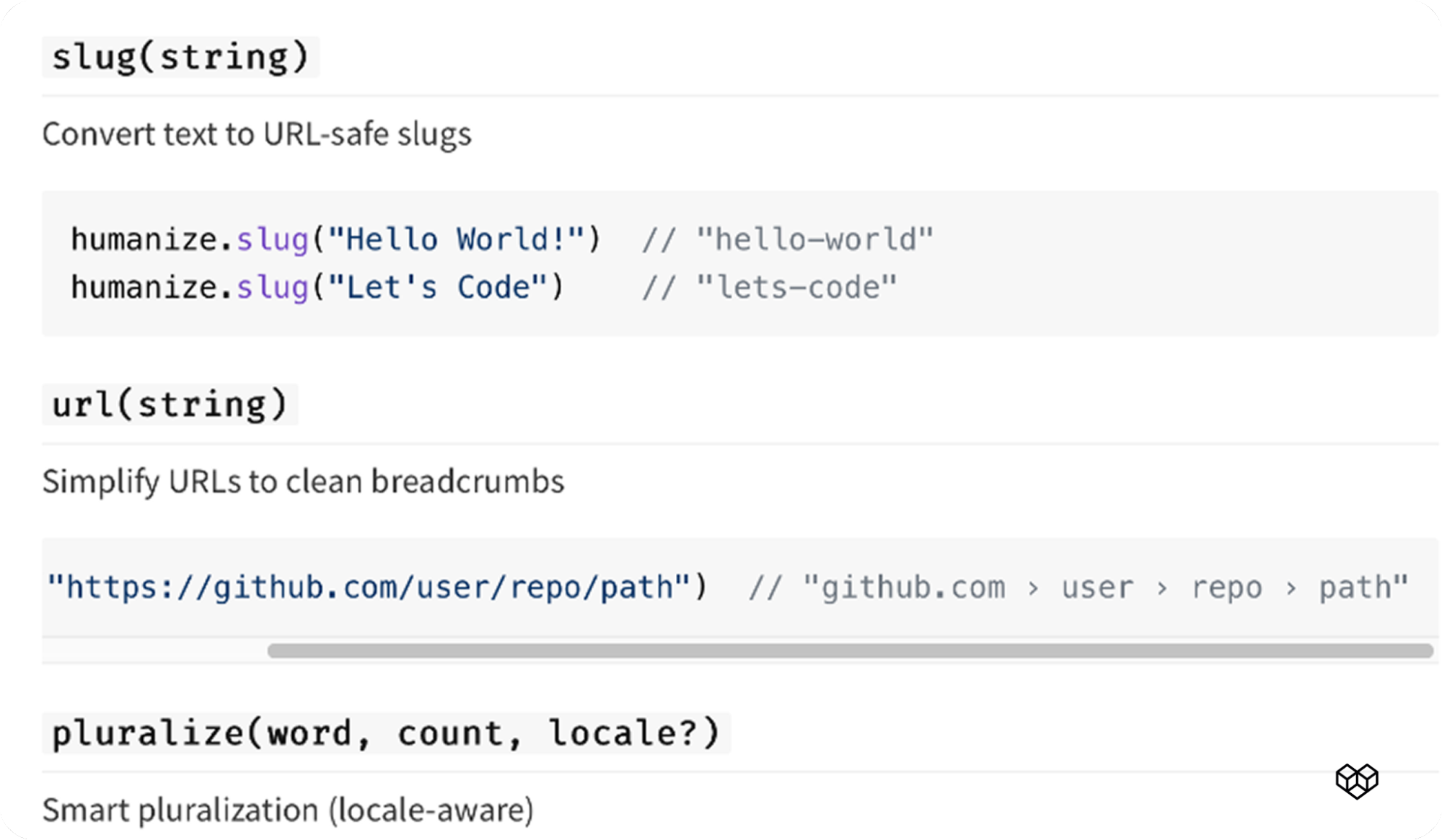
- Humanize-this – handy tool for formatting data for actual humans.
🤖 AI Developments
- AWS Graviton4: 600 Gbps bandwidth — highest in public cloud. Amazon’s going full-stack on AI infra, competing with Nvidia, Intel, and AMD. Read more.
- Apple is now using generative AI to help design the chips that power its devices. Johny Srouji, their hardware chief, confirmed it during a talk in Belgium last month. They’re betting on AI to reduce complexity and speed up the chip design process — especially as chip architecture gets more advanced. Read more.
- Hugging Face just added Groq as an inference provider — bringing lightning-fast processing to its model hub. Groq isn’t running on standard GPUs. They’ve built their own chip — the Language Processing Unit (LPU) — specifically to handle the compute patterns of LLMs. Read more.

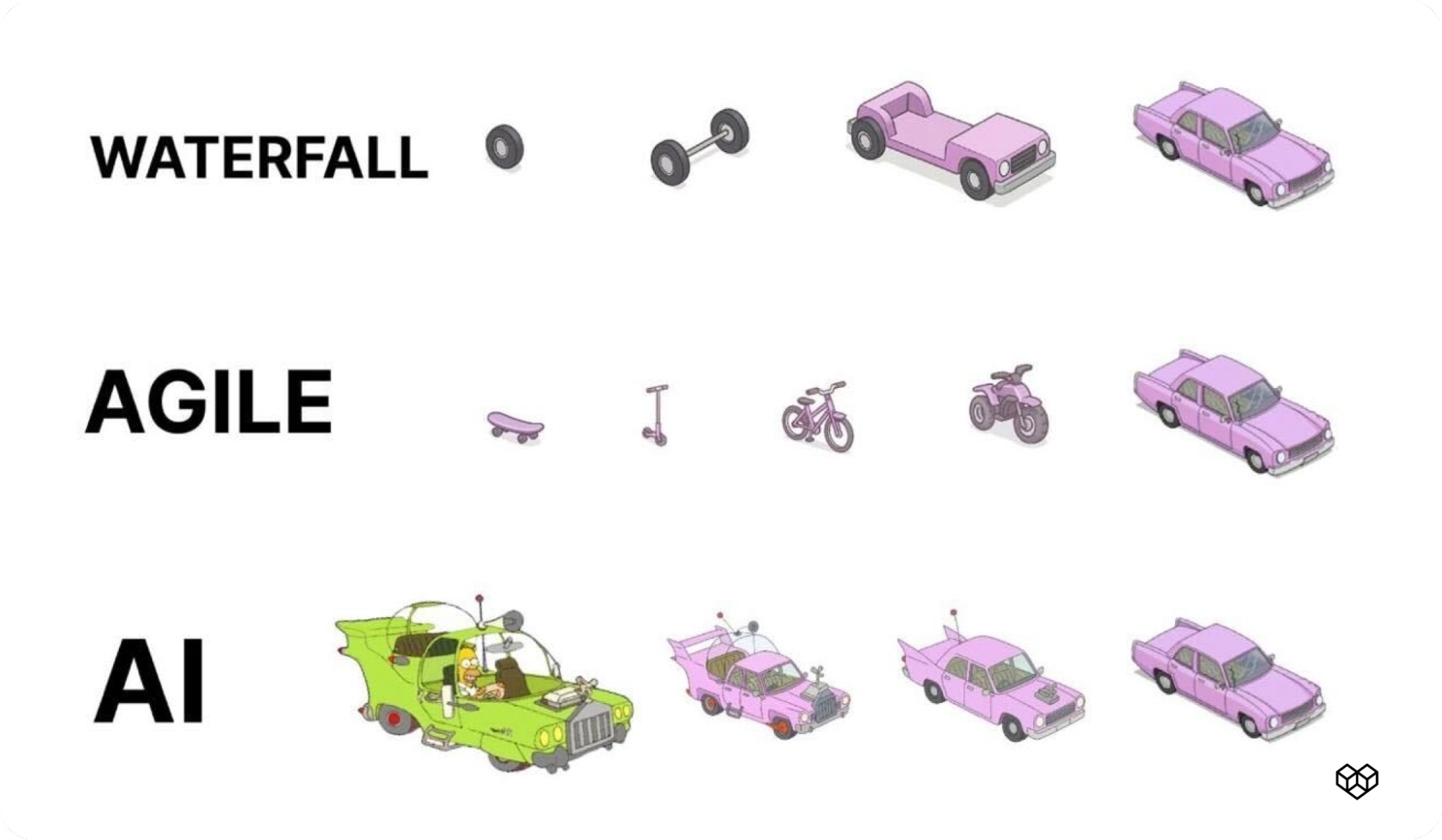
- This photo’s been going around for a while now. I have to say — it captures the evolution perfectly:
📚 Books and Reading
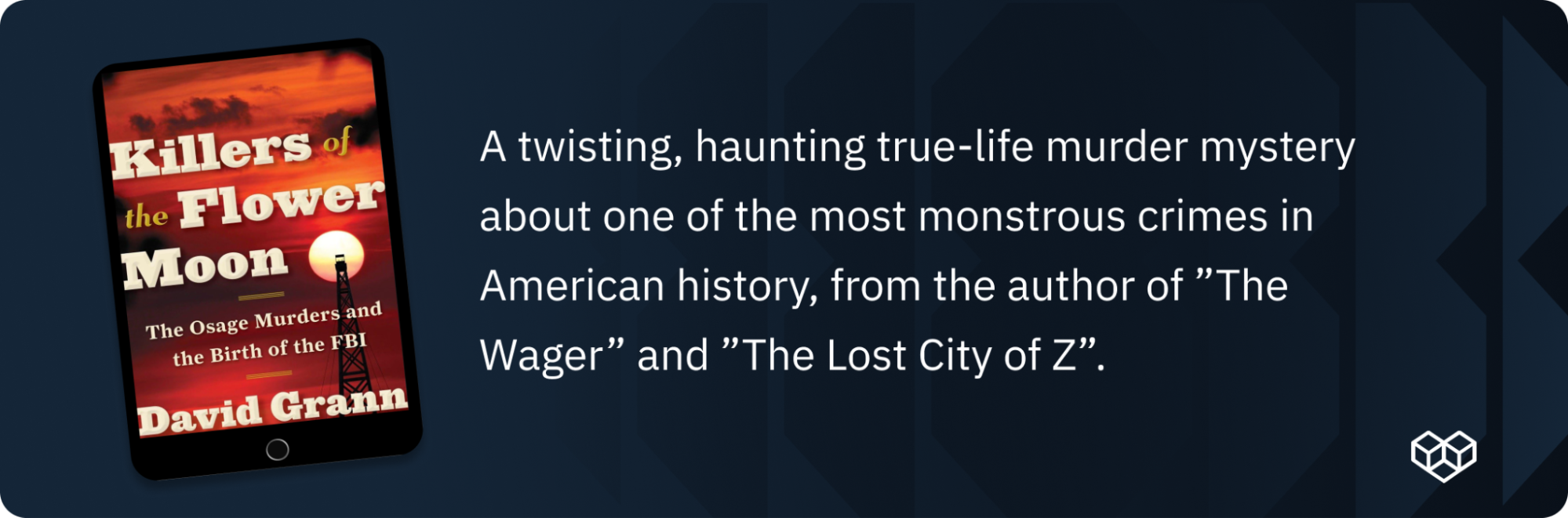
- This month’s book is: Killers of the Flower Moon: The Osage Murders and the Birth of the FBI by David Grann.
A brutal but important read — the story of Osage Nation (Native Americans) murders and the birth of the FBI. If you like forensic history or crime reporting, this one’s tight.
The book can be found on Amazon.
💡 Thoughts
- There’s a real battle playing out across Reddit, X, and dev chats — Codex vs Jules. Both are positioning themselves as the AI coding agent.
I’ve been testing Jules lately. And from what I’ve seen, it’s not about which one’s “better” — it comes down to how you prefer to work.
- Need internet access, full container setup, and support in messy legacy code? Jules handles that well.
- Prefer air-gapped execution, stricter prompt handling, and cleaner commit history? Codex feels more stable.
What’s wild is how far these tools have come:
- Clone a repo
- It builds the full project index
- Plans, writes, tests, refactors
- Opens a PR — with context
No IDE. No setup. Just a browser and a prompt. They’re starting to feel like junior devs — except with better habits.
🔍 Other Noteworthy Mentions
- Strudel – a live music coding environment that runs in the browser. Think TidalCycles, but in JavaScript. Experimental, fun, and surprisingly powerful.
- AI is like smoking – A provocative take on how AI is being used (and misused). Talks vibe coding, power dynamics, and how quickly we normalize weird things. Read here.
- Tritium – an IDE for legal docs. Finally, version control for the one area that’s still emailing around PDFs.
- Wordtune – for those times when you want to say something better, faster. It paraphrases, summarizes, humanizes, edits. Good for outlines, not replacements.
- Concurrency ≠ Parallelism – If that distinction’s still fuzzy, this breakdown does a good job of making it stick.
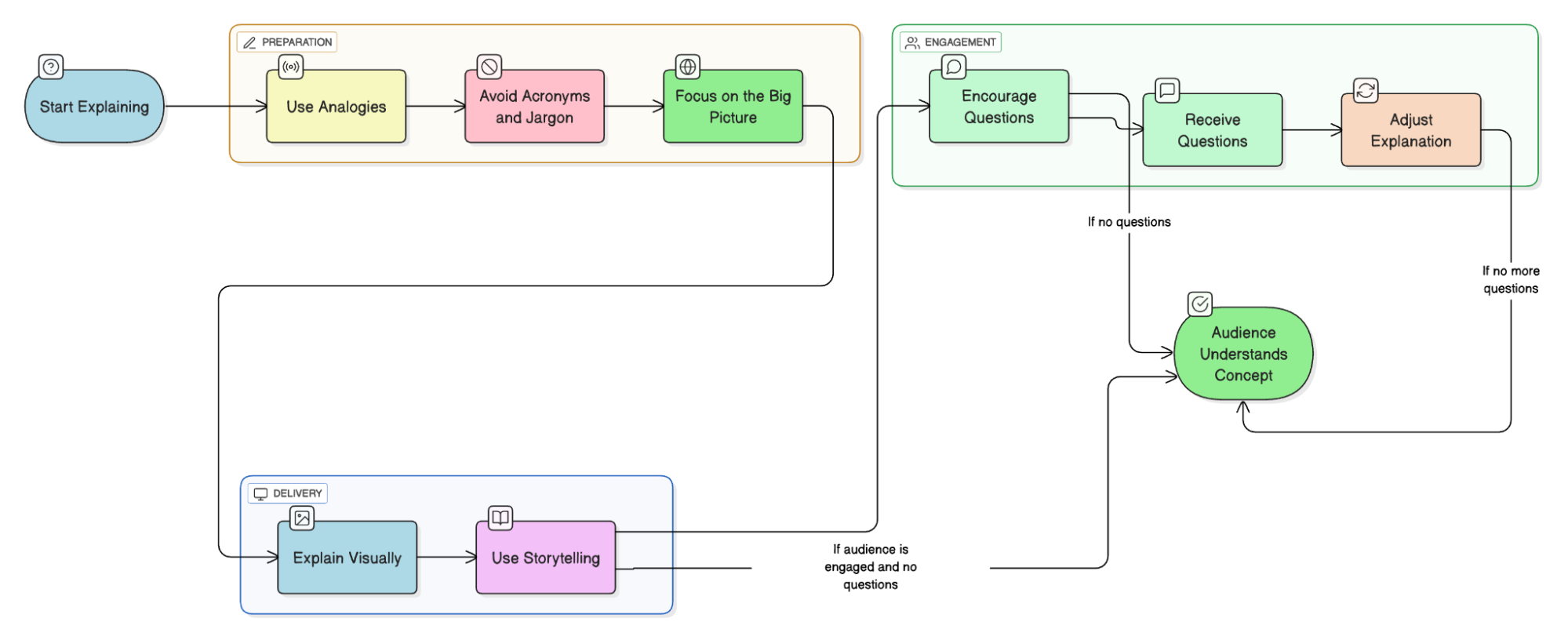
- How to Talk Technical Stuff with a Non-Technical Audience?
If you found this update helpful, feel free to share it with others. My newsletter is also published as a blog on our website – Ralabs Blog. You can now read the previous updates there.
Lastly, as a company with deep Ukrainian roots, we continue to seek your support for Ukraine during these challenging times. Every contribution makes a difference.